Jill U. Adams is a freelance science journalist based in Albany, New York. She covers health, mental health and biomedical research for such publications as The Transmitter, The Washington Post, Scientific American, Undark and The Scientist. She has a Ph.D. in pharmacology from Emory University in Atlanta, Georgia.
Jill Adams
Contributing writer
From this contributor
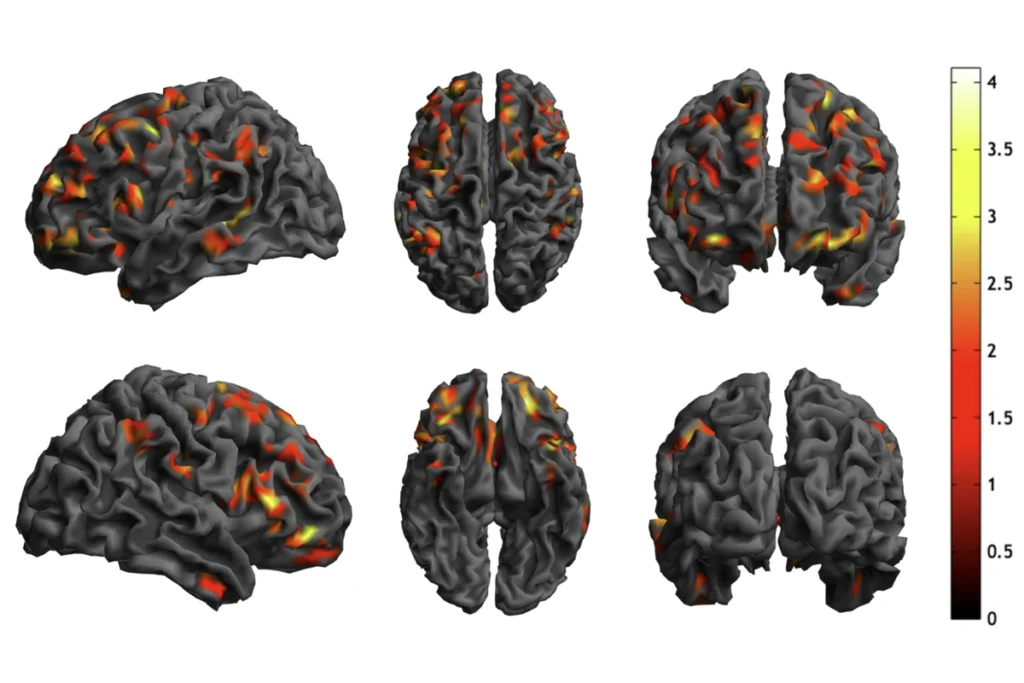
SYNGAP1; executive function; synaptic density
Here is a roundup of autism-related news and research spotted around the web for the week of 14 October.
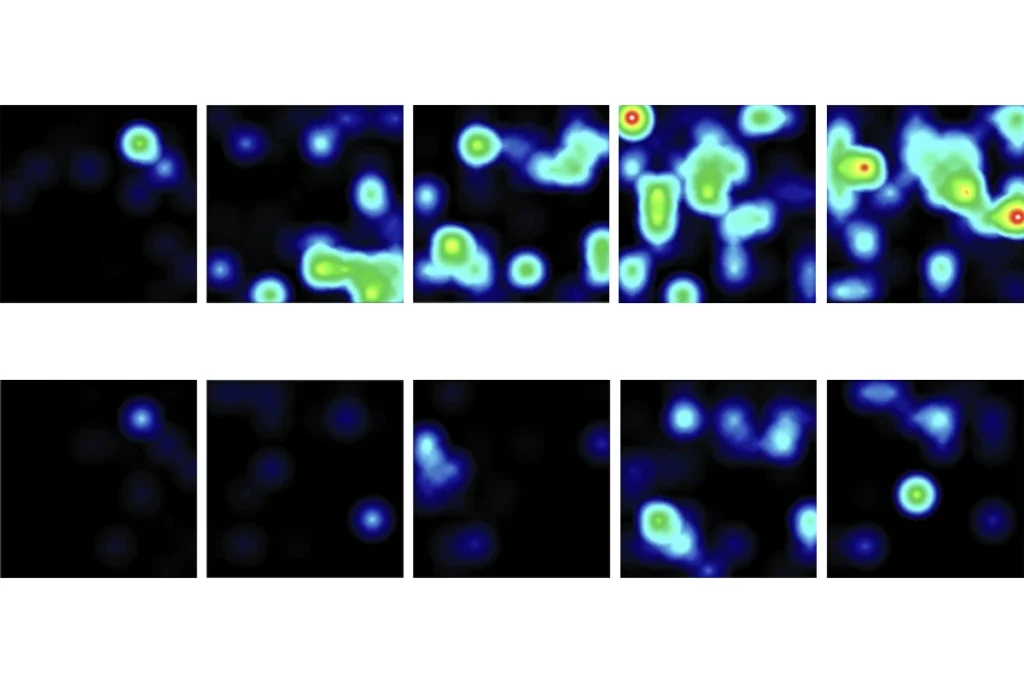
Aggression; Angelman syndrome; NLGN3
Here is a roundup of autism-related news and research spotted around the web for the week of 7 October.
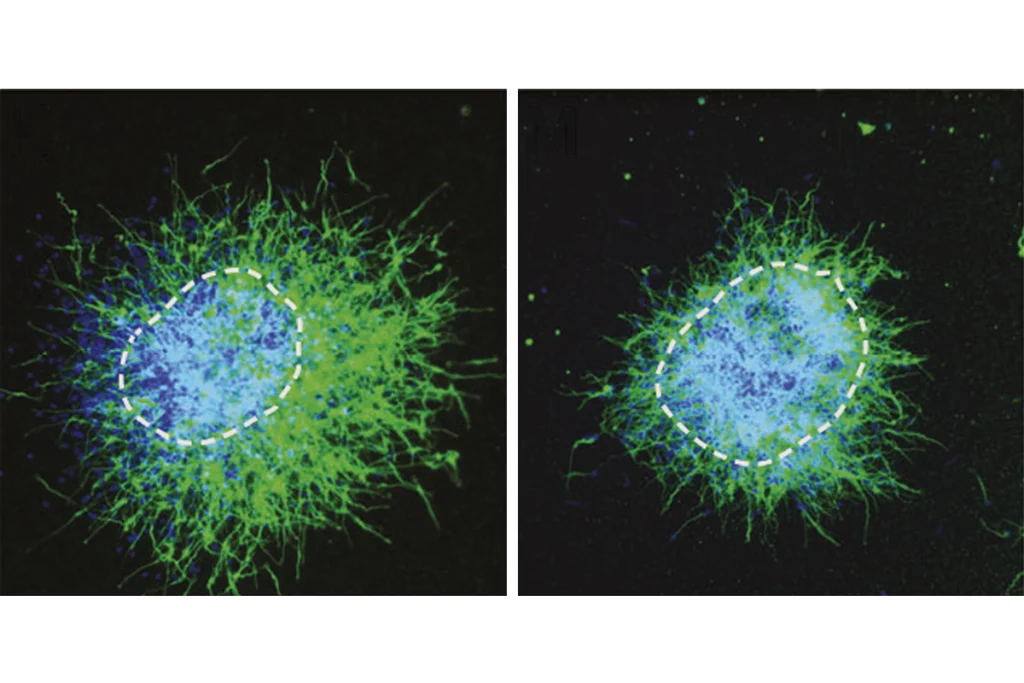
CRISPR upregulation of genes; interneuron migration; maternal COVID-19 exposure
Here is a roundup of autism-related news and research spotted around the web for the week of 30 September.
CRISPR upregulation of genes; interneuron migration; maternal COVID-19 exposure
By
Jill Adams
1 October 2024 | 2 min read
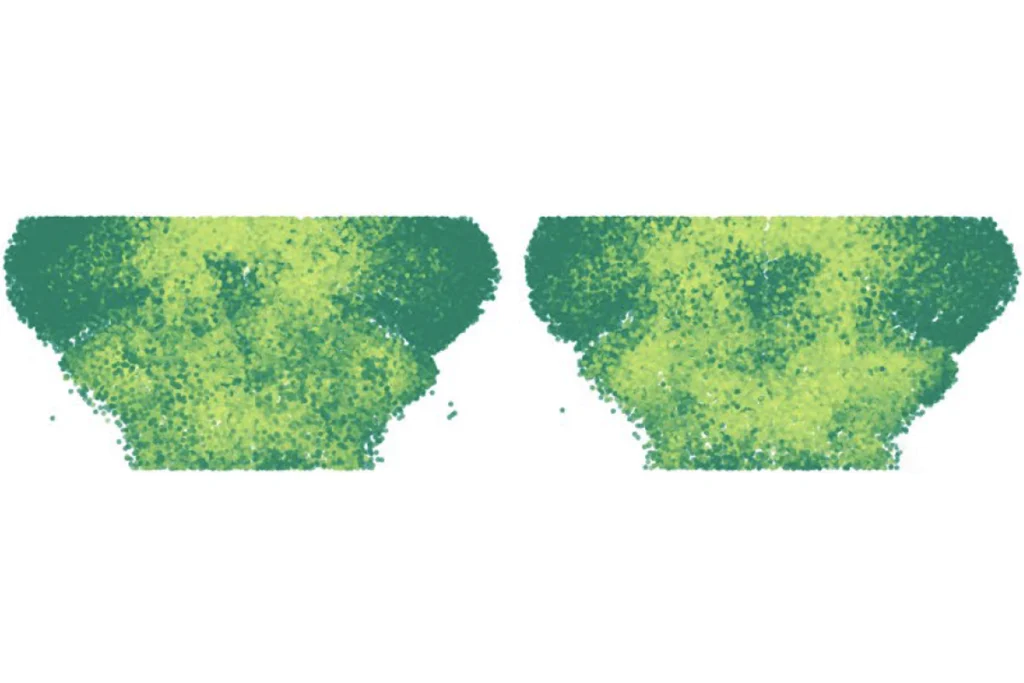
FOXG1 gene therapy; oligodendrocytes; stereotyped movements
Here is a roundup of autism-related news and research spotted around the web for the week of 23 September.
FOXG1 gene therapy; oligodendrocytes; stereotyped movements
By
Jill Adams
24 September 2024 | 2 min read
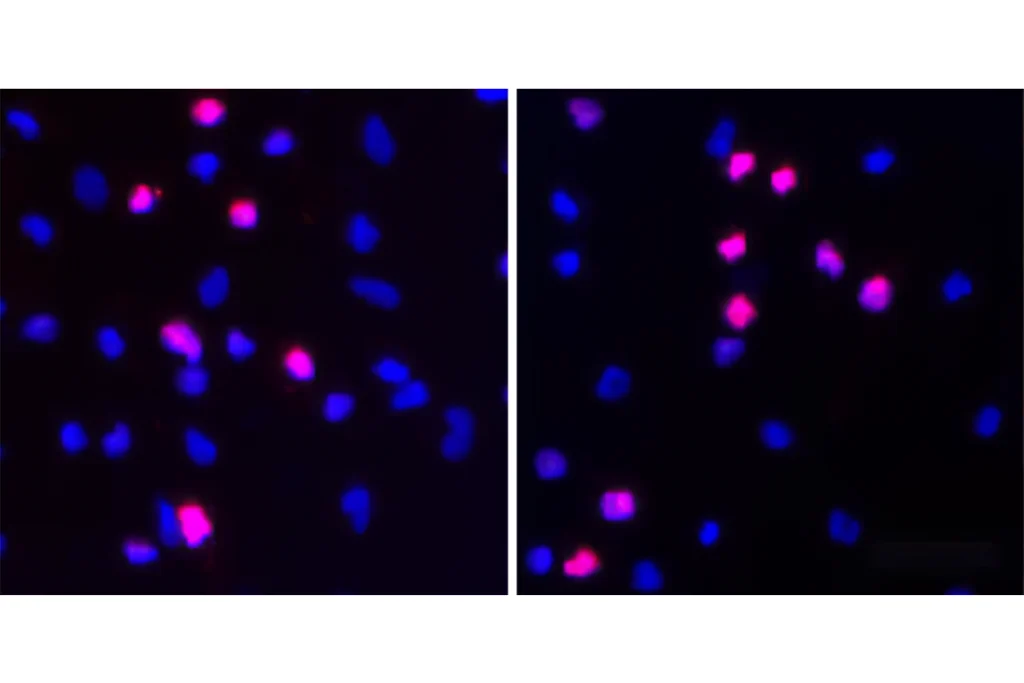
CDKL5 gene; cerebrospinal fluid; drug combo for fragile X syndrome
Here is a roundup of autism-related news and research spotted around the web for the week of 16 September.
CDKL5 gene; cerebrospinal fluid; drug combo for fragile X syndrome
By
Jill Adams
17 September 2024 | 2 min read
Explore more from The Transmitter
Are Brains and AI Converging?—an excerpt from ‘ChatGPT and the Future of AI: The Deep Language Revolution’
In his new book, to be published next week, computational neuroscience pioneer Sejnowski tackles debates about AI’s capacity to mirror cognitive processes.
Are Brains and AI Converging?—an excerpt from ‘ChatGPT and the Future of AI: The Deep Language Revolution’
In his new book, to be published next week, computational neuroscience pioneer Sejnowski tackles debates about AI’s capacity to mirror cognitive processes.
By
Terrence Sejnowski
21 October 2024 | 12 min read
New tissue-clearing techniques let microscopes peer deeper into living brains
Washing mouse brain tissue with a blood protein or complex sugar can illuminate cells 550 micrometers into the cortex without compromising its normal physiology.
New tissue-clearing techniques let microscopes peer deeper into living brains
Washing mouse brain tissue with a blood protein or complex sugar can illuminate cells 550 micrometers into the cortex without compromising its normal physiology.
By
Calli McMurray
18 October 2024 | 0 min watch

New catalog charts familial ties from autism to 90 other conditions
The research tool reveals associations stretching across three generations.
New catalog charts familial ties from autism to 90 other conditions
The research tool reveals associations stretching across three generations.
By
Charles Q. Choi
17 October 2024 | 4 min read