Claudia López Lloreda is a freelance science journalist with a focus on neuroscience, mental health and psychology, and she is The Transmitter’s news reporting intern in the fall of 2024. She earned her B.S. in cellular-molecular biology from the University of Puerto Rico, Rio Piedras, and her Ph.D. in neuroscience from the University of Pennsylvania in Philadelphia. Her work has appeared in Science, Wired, Undark, Scientific American, Smithsonian Magazine and Science News. She is based in San Juan, Puerto Rico.

Claudia López Lloreda
News reporting intern
The Transmitter
From this contributor

Synaptic changes shape winning mice into bullies
When a mouse repeatedly defeats its opponents, brain circuits that underlie aggressive behaviors develop more stable connections, helping to ensure continual triumph, a new study shows.
Synaptic changes shape winning mice into bullies
By
Claudia López Lloreda
14 October 2024 | 6 min read
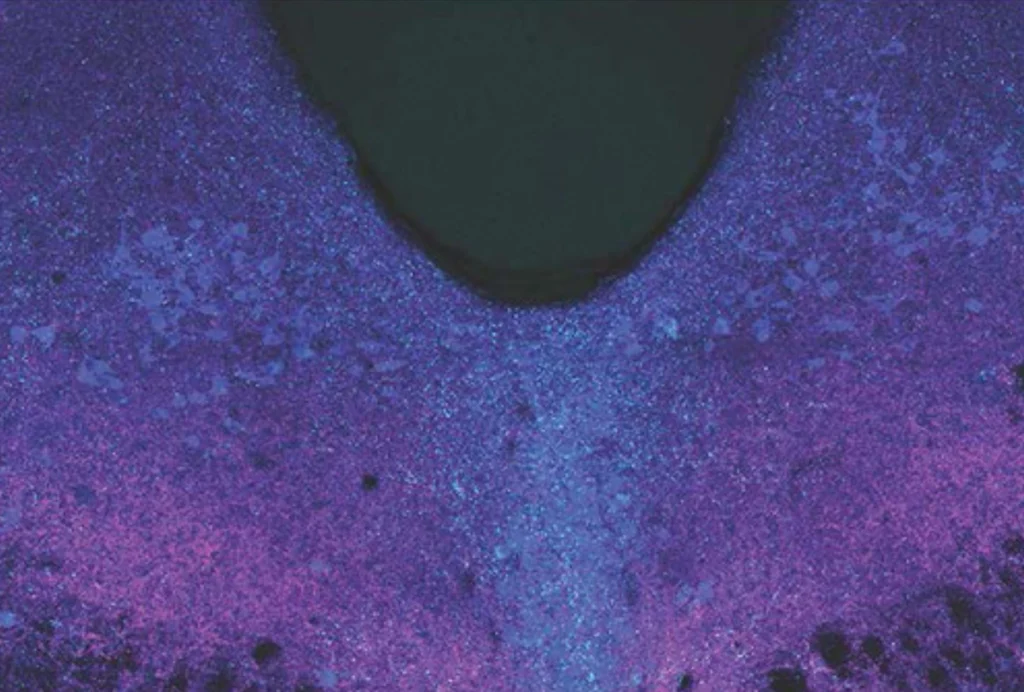
Neurotransmitter switch-up helps fan extreme stress into full-blown fear
The flip occurs when certain neurons in the dorsal raphe start to express the chemical GABA instead of glutamate, a new study shows.
Neurotransmitter switch-up helps fan extreme stress into full-blown fear
By
Claudia López Lloreda
9 April 2024 | 5 min read
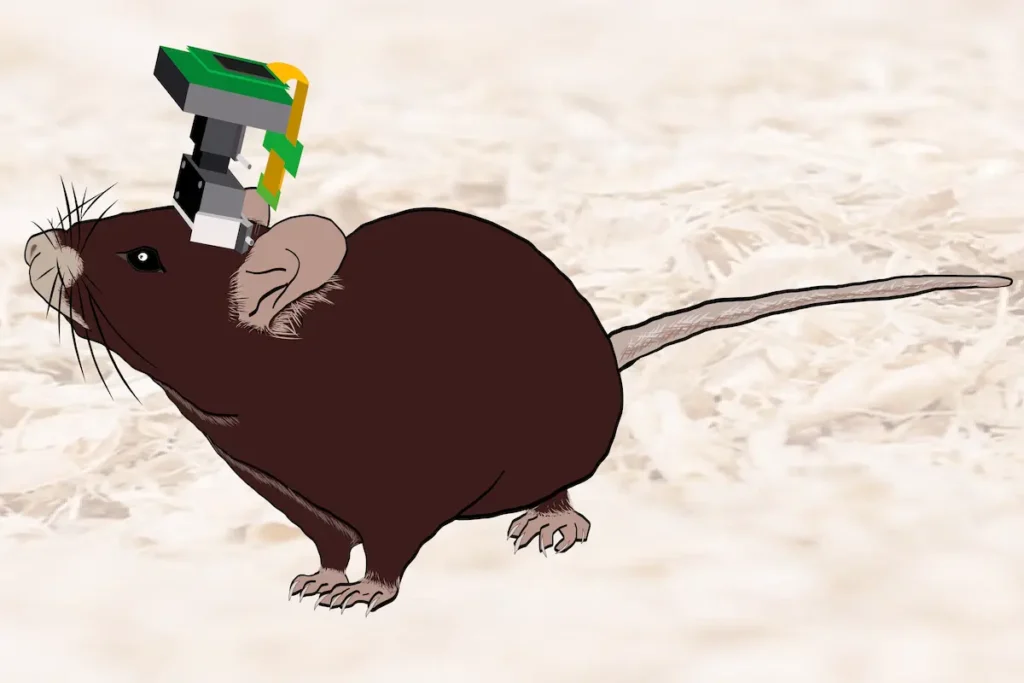
Innovative device records activity from distant brain areas simultaneously
The headset combines calcium imaging and electrode recordings to track both the cerebellum and anterior cingulate cortex as mice socialize.
Innovative device records activity from distant brain areas simultaneously
By
Claudia López Lloreda
4 April 2024 | 4 min read
SYNGAP1 findings illuminate links between mutations, intellectual disability
New mouse models join several studies that could point to novel therapeutic approaches.
SYNGAP1 findings illuminate links between mutations, intellectual disability
By
Claudia López Lloreda
21 December 2023 | 6 min read
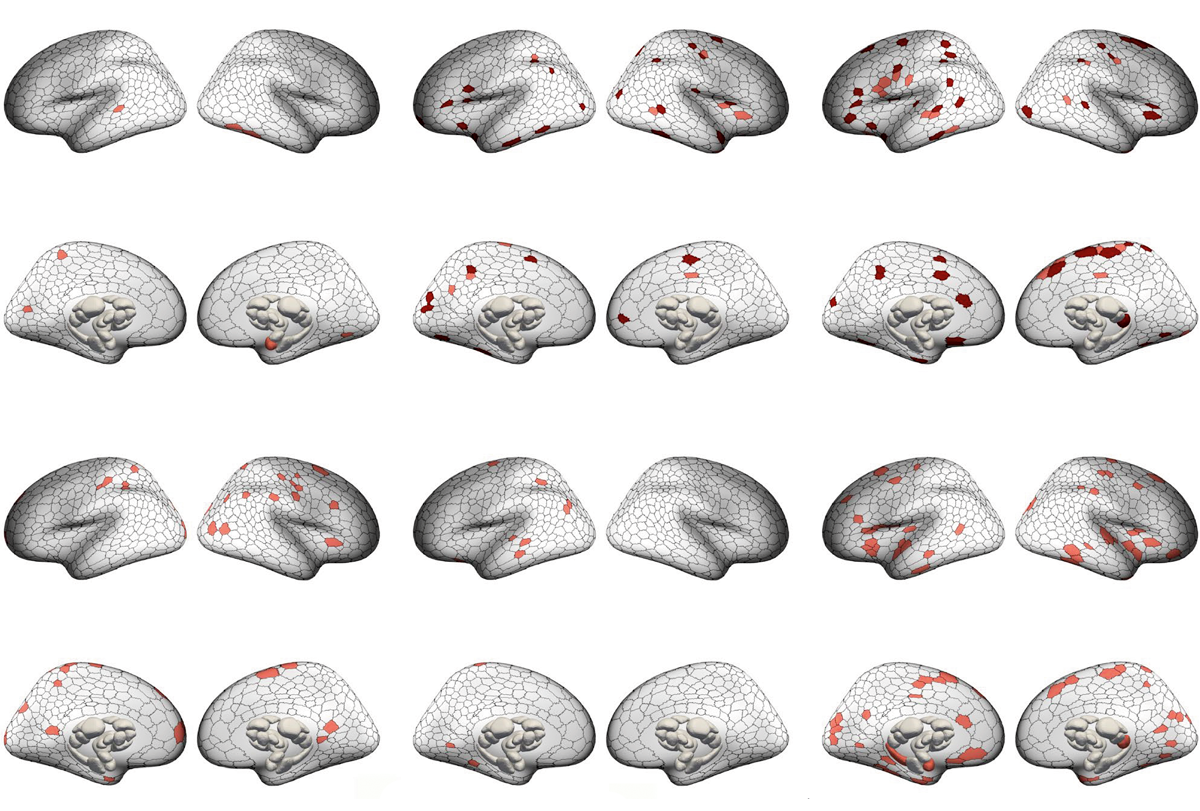
Alterations in circuits characterize six neuropsychiatric conditions
The underlying regional neurobiology of the conditions may differ from person to person.
Alterations in circuits characterize six neuropsychiatric conditions
By
Claudia López Lloreda
13 September 2023 | 5 min listen
Explore more from The Transmitter
Are Brains and AI Converging?—an excerpt from ‘ChatGPT and the Future of AI: The Deep Language Revolution’
In his new book, to be published next week, computational neuroscience pioneer Sejnowski tackles debates about AI’s capacity to mirror cognitive processes.
Are Brains and AI Converging?—an excerpt from ‘ChatGPT and the Future of AI: The Deep Language Revolution’
In his new book, to be published next week, computational neuroscience pioneer Sejnowski tackles debates about AI’s capacity to mirror cognitive processes.
By
Terrence Sejnowski
21 October 2024 | 12 min read
New tissue-clearing techniques let microscopes peer deeper into living brains
Washing mouse brain tissue with a blood protein or complex sugar can illuminate cells 550 micrometers into the cortex without compromising its normal physiology.
New tissue-clearing techniques let microscopes peer deeper into living brains
Washing mouse brain tissue with a blood protein or complex sugar can illuminate cells 550 micrometers into the cortex without compromising its normal physiology.
By
Calli McMurray
18 October 2024 | 0 min watch

New catalog charts familial ties from autism to 90 other conditions
The research tool reveals associations stretching across three generations.
New catalog charts familial ties from autism to 90 other conditions
The research tool reveals associations stretching across three generations.
By
Charles Q. Choi
17 October 2024 | 4 min read