Daisy Yuhas commissions and edits stories for Spectrum on The Transmitter. A freelance science journalist and editor based in Austin, Texas, she has edited features, news and opinions for multiple publications, including SAPIENS and Scientific American MIND. Her writing has appeared in The New York Times, Scientific American, Audubon, The Hechinger Report and Symmetry, among other outlets. (Photograph by Brio Photography)
Daisy Yuhas
Contributing editor
Spectrum
From this contributor
Creating a more inclusive autism research community
The Transmitter rounds up efforts to improve equity and diversity both within the field and in research projects.
Creating a more inclusive autism research community
By
Daisy Yuhas
22 August 2024 | 2 min read
Understanding fragile X syndrome
Just in time for Fragile X Awareness Month, The Transmitter rounds up notable coverage.
Crowdsourcing to curb aggression in autism: Q&A with Matthew Goodwin
To accelerate the development of real-time behavioral prediction technology, a research team is sharing data and seeking new collaborators.
Crowdsourcing to curb aggression in autism: Q&A with Matthew Goodwin
By
Daisy Yuhas
2 May 2024 | 6 min read
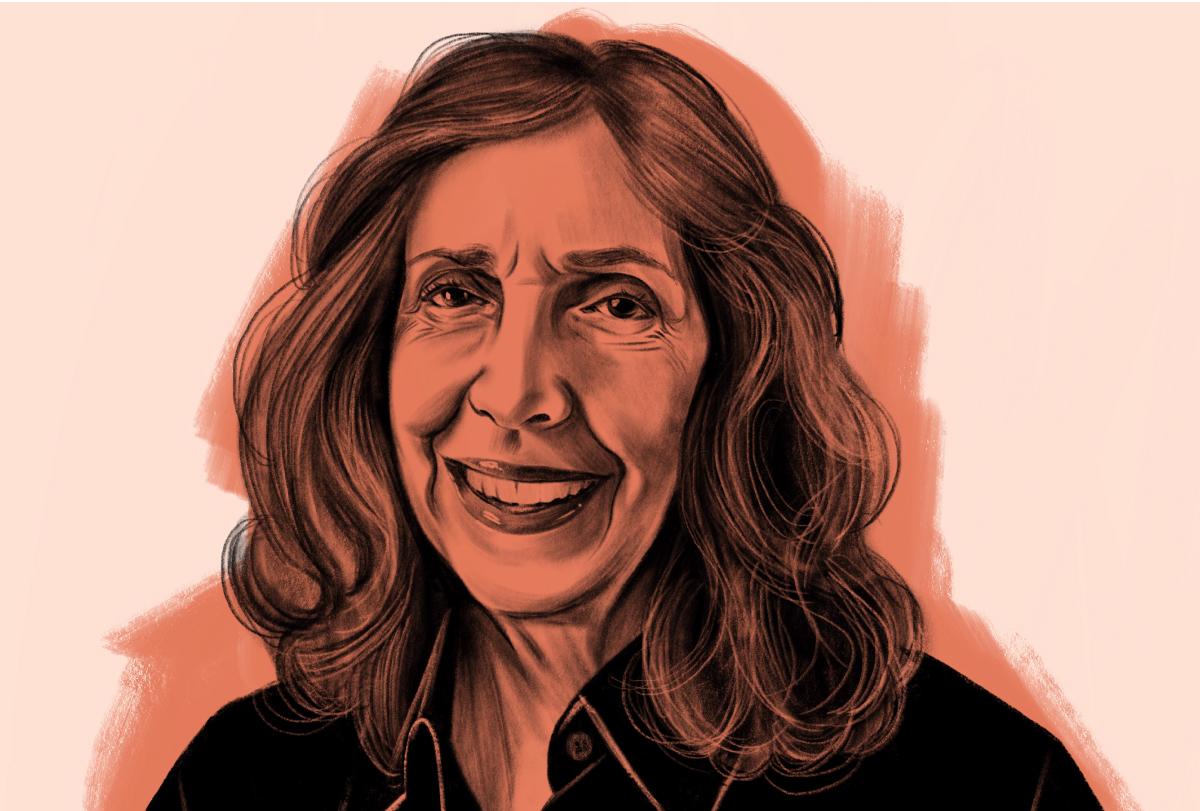
Amy Wetherby: Impatient for progress
A speech-language pathologist by training, Wetherby has spent more than four decades developing tools to help identify and treat autism early; now her work has taken on a more personal sense of urgency.
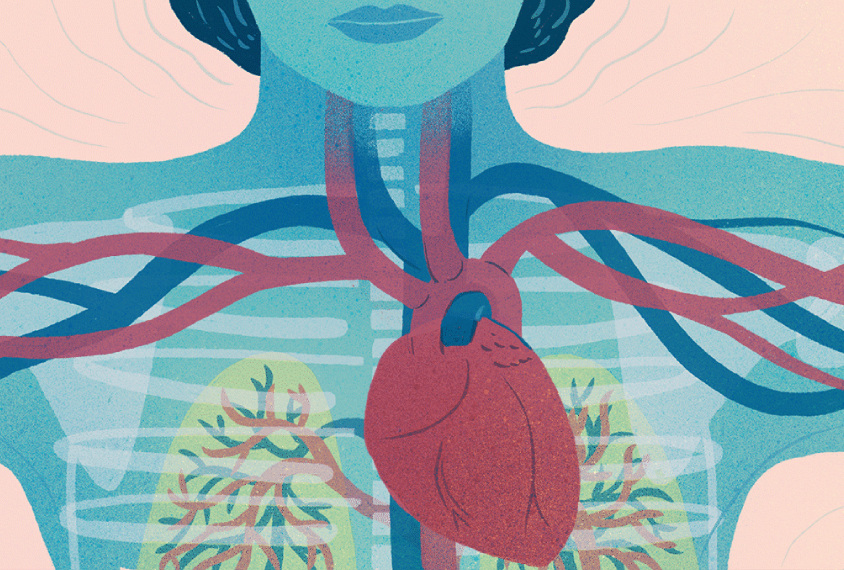
Getting at the heart of autism
Cardiac activity could reveal autism's physiology and confirm a hunch many clinicians share: that people with autism experience great stress.
Explore more from The Transmitter
Are Brains and AI Converging?—an excerpt from ‘ChatGPT and the Future of AI: The Deep Language Revolution’
In his new book, to be published next week, computational neuroscience pioneer Sejnowski tackles debates about AI’s capacity to mirror cognitive processes.
Are Brains and AI Converging?—an excerpt from ‘ChatGPT and the Future of AI: The Deep Language Revolution’
In his new book, to be published next week, computational neuroscience pioneer Sejnowski tackles debates about AI’s capacity to mirror cognitive processes.
By
Terrence Sejnowski
21 October 2024 | 12 min read
New tissue-clearing techniques let microscopes peer deeper into living brains
Washing mouse brain tissue with a blood protein or complex sugar can illuminate cells 550 micrometers into the cortex without compromising its normal physiology.
New tissue-clearing techniques let microscopes peer deeper into living brains
Washing mouse brain tissue with a blood protein or complex sugar can illuminate cells 550 micrometers into the cortex without compromising its normal physiology.
By
Calli McMurray
18 October 2024 | 0 min watch

New catalog charts familial ties from autism to 90 other conditions
The research tool reveals associations stretching across three generations.
New catalog charts familial ties from autism to 90 other conditions
The research tool reveals associations stretching across three generations.
By
Charles Q. Choi
17 October 2024 | 4 min read