Animal behavior
Recent articles
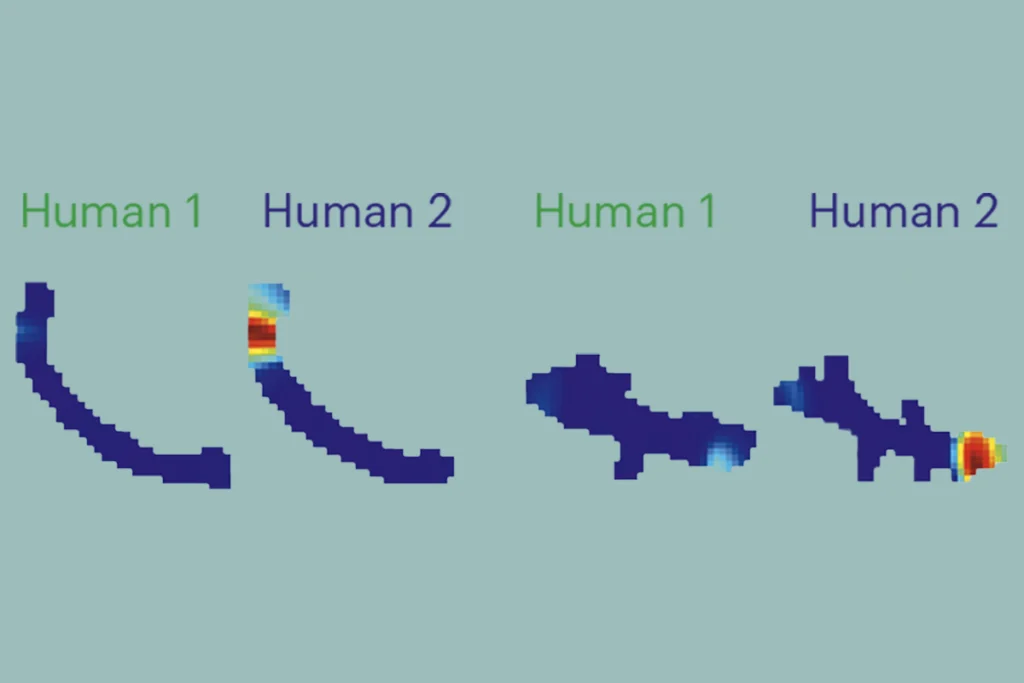
Egyptian fruit bats’ neural patterns represent different experimenters
The findings underscore the importance of accounting for “experimenter effects” on lab animals.
Egyptian fruit bats’ neural patterns represent different experimenters
The findings underscore the importance of accounting for “experimenter effects” on lab animals.

Improvising to study brains in the wild: Q&A with Nacho Sanguinetti-Scheck
A joke at a neuroscience summer program nearly a decade ago ignited a lifelong research interest for this Uruguayan scientist—one that plays on his comedic strengths.
Improvising to study brains in the wild: Q&A with Nacho Sanguinetti-Scheck
A joke at a neuroscience summer program nearly a decade ago ignited a lifelong research interest for this Uruguayan scientist—one that plays on his comedic strengths.
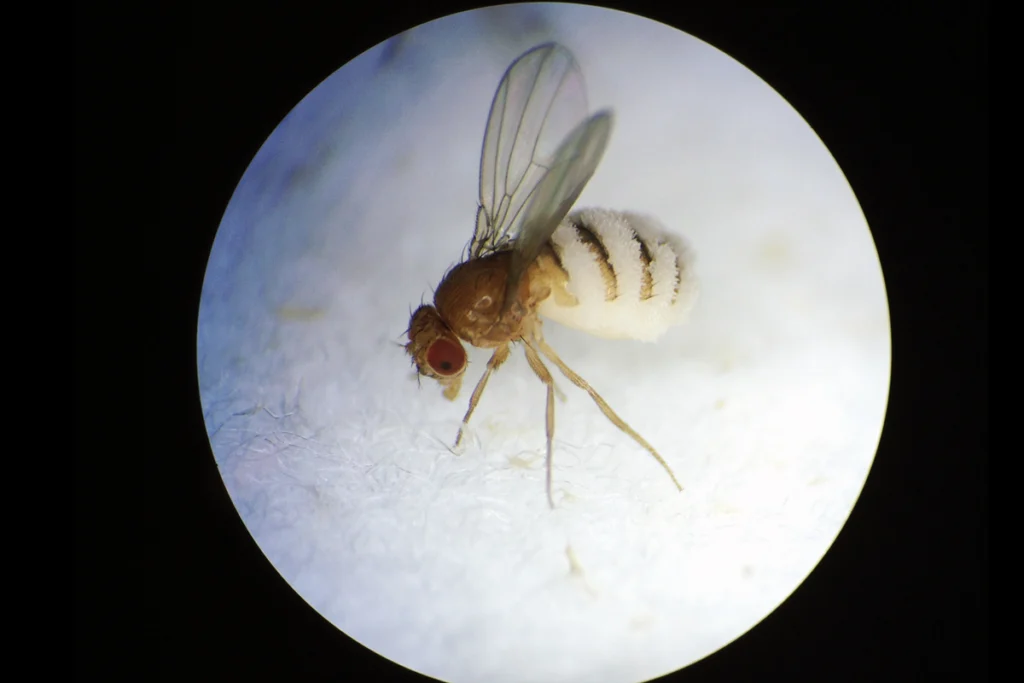
Mind control in zombie flies: Q&A with Carolyn Elya
A parasitic fungus compels its insect host to behave in strange ways by hijacking secretory neurons and circadian pathways.
Mind control in zombie flies: Q&A with Carolyn Elya
A parasitic fungus compels its insect host to behave in strange ways by hijacking secretory neurons and circadian pathways.
Dancing in the dark: Honeybees use antennae to decode nestmates’ waggles
The insects align their antennae with their body’s angle to a dancer—information that vector-processing circuitry in the brain deciphers into a flight path, a new study suggests.
Dancing in the dark: Honeybees use antennae to decode nestmates’ waggles
The insects align their antennae with their body’s angle to a dancer—information that vector-processing circuitry in the brain deciphers into a flight path, a new study suggests.

Wild and free: Understanding animal behavior beyond the lab
Technological advancements have made it possible to study animals in more natural settings, but researchers are debating what that really means and whether natural is always better.
Wild and free: Understanding animal behavior beyond the lab
Technological advancements have made it possible to study animals in more natural settings, but researchers are debating what that really means and whether natural is always better.
Explore more from The Transmitter
Are Brains and AI Converging?—an excerpt from ‘ChatGPT and the Future of AI: The Deep Language Revolution’
In his new book, to be published next week, computational neuroscience pioneer Sejnowski tackles debates about AI’s capacity to mirror cognitive processes.
Are Brains and AI Converging?—an excerpt from ‘ChatGPT and the Future of AI: The Deep Language Revolution’
In his new book, to be published next week, computational neuroscience pioneer Sejnowski tackles debates about AI’s capacity to mirror cognitive processes.
New tissue-clearing techniques let microscopes peer deeper into living brains
Washing mouse brain tissue with a blood protein or complex sugar can illuminate cells 550 micrometers into the cortex without compromising its normal physiology.
New tissue-clearing techniques let microscopes peer deeper into living brains
Washing mouse brain tissue with a blood protein or complex sugar can illuminate cells 550 micrometers into the cortex without compromising its normal physiology.

New catalog charts familial ties from autism to 90 other conditions
The research tool reveals associations stretching across three generations.
New catalog charts familial ties from autism to 90 other conditions
The research tool reveals associations stretching across three generations.