Eric R. Kandel is university professor emeritus and professor emeritus of physiology and cellular biophysics, psychiatry, biochemistry, molecular biophysics and neuroscience at Columbia University. He is founding co-director of Columbia University’s Zuckerman Institute, founding director of Columbia’s Kavli Institute for Brain Science, and Sagol Professor Emeritus of Brain Science at the Zuckerman Institute. He was also a senior investigator at the Howard Hughes Medical Institute from 1984 to 2022. In 2000, Kandel was awarded the Nobel Prize in Physiology or Medicine for his studies of learning and memory. He has been awarded 24 honorary degrees. Kandel is the author of “In Search of Memory: The Emergence of a New Science of Mind” (2006), “The Age of Insight: The Quest to Understand the Unconscious in Art, Mind and Brain, from Vienna 1900 to the Present” (2012), “Reductionism in Art and Brain Science: Bridging the Two Cultures” (Columbia, 2016), “The Disordered Mind: What Unusual Brains Tell Us About Ourselves” (2018), and “There Is Life After the Nobel Prize” (Columbia, 2022). He is also a co-author of “Principles of Neural Science” (2021), the standard textbook in the field of neuroscience.
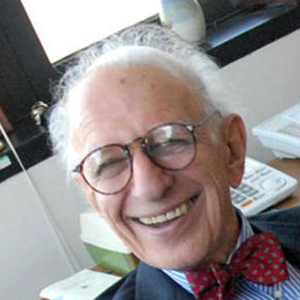
Eric Kandel
University professor emeritus
Columbia University
From this contributor
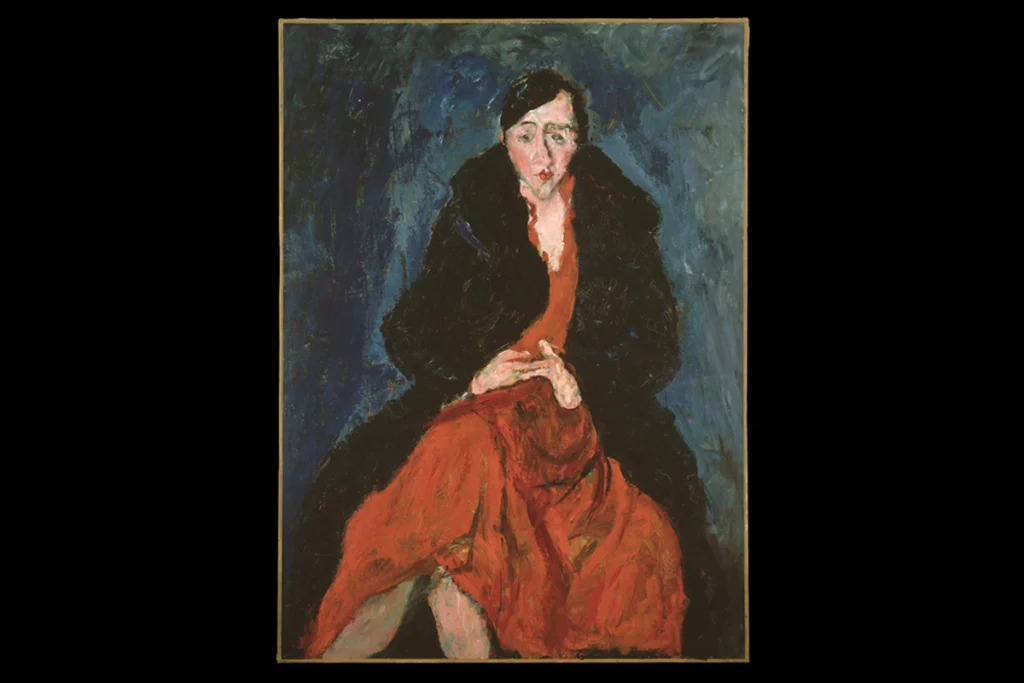
The creative brain—an edited excerpt from ‘Essays on Art and Science’
In his new book, neuroscientist Eric Kandel explores how sensory perception and higher-order cognitive processes influence our experience of art.
The creative brain—an edited excerpt from ‘Essays on Art and Science’

Eric Kandel: The way forward for autism research
Studying the cellular and molecular mechanisms that underlie autism is crucial to advancing our understanding of the disorder, says neuroscientist Eric Kandel.
Eric Kandel: The way forward for autism research
Explore more from The Transmitter
Are Brains and AI Converging?—an excerpt from ‘ChatGPT and the Future of AI: The Deep Language Revolution’
In his new book, to be published next week, computational neuroscience pioneer Sejnowski tackles debates about AI’s capacity to mirror cognitive processes.
Are Brains and AI Converging?—an excerpt from ‘ChatGPT and the Future of AI: The Deep Language Revolution’
In his new book, to be published next week, computational neuroscience pioneer Sejnowski tackles debates about AI’s capacity to mirror cognitive processes.
New tissue-clearing techniques let microscopes peer deeper into living brains
Washing mouse brain tissue with a blood protein or complex sugar can illuminate cells 550 micrometers into the cortex without compromising its normal physiology.
New tissue-clearing techniques let microscopes peer deeper into living brains
Washing mouse brain tissue with a blood protein or complex sugar can illuminate cells 550 micrometers into the cortex without compromising its normal physiology.

New catalog charts familial ties from autism to 90 other conditions
The research tool reveals associations stretching across three generations.
New catalog charts familial ties from autism to 90 other conditions
The research tool reveals associations stretching across three generations.