Philosophy
Recent articles
The case for redefining ‘theory of mind’: Q&A with François Quesque
In a new commentary, Quesque and 44 experts in neuroscience and psychology propose a standardized lexicon for research on the attribution of mental states.
The case for redefining ‘theory of mind’: Q&A with François Quesque
In a new commentary, Quesque and 44 experts in neuroscience and psychology propose a standardized lexicon for research on the attribution of mental states.
What are mechanisms? Unpacking the term is key to progress in neuroscience
Mechanism is a common and powerful concept, invoked in grant calls and publication guidelines. But scientists use it in different ways, making it difficult to clarify standards in the field. We asked nine scientists to weigh in.
What are mechanisms? Unpacking the term is key to progress in neuroscience
Mechanism is a common and powerful concept, invoked in grant calls and publication guidelines. But scientists use it in different ways, making it difficult to clarify standards in the field. We asked nine scientists to weigh in.
Consciously smelling—an edited excerpt from ‘Stinking Philosophy! Smell Perception, Cognition, and Consciousness’
In his new book, published earlier this month, Benjamin Young tackles the debates and central questions surrounding olfactory perception, cognition and consciousness.
Consciously smelling—an edited excerpt from ‘Stinking Philosophy! Smell Perception, Cognition, and Consciousness’
In his new book, published earlier this month, Benjamin Young tackles the debates and central questions surrounding olfactory perception, cognition and consciousness.
Going deep: The Transmitter’s top long-form stories in 2023
Our favorite features and book excerpts from the past year delved into the neurobiology of cancer; problems with survey data; free will; mathematical minds; and questions around one startup’s quest to treat brain conditions with cell therapies.
Going deep: The Transmitter’s top long-form stories in 2023
Our favorite features and book excerpts from the past year delved into the neurobiology of cancer; problems with survey data; free will; mathematical minds; and questions around one startup’s quest to treat brain conditions with cell therapies.
From a scientist’s perspective: The Transmitter’s top five essays in 2023
From big-picture debates about theories and terms to practical tips for teaching and writing, our favorite expert-written articles offer a glimpse into what neuroscientists are thinking.
From a scientist’s perspective: The Transmitter’s top five essays in 2023
From big-picture debates about theories and terms to practical tips for teaching and writing, our favorite expert-written articles offer a glimpse into what neuroscientists are thinking.

Mistaking a duck for a skvader: How a conceptual form of circular analysis may taint many neuroscience studies
These logical loops are harder to spot than circularity involving noise in the data, but they result from neglecting something closer to home: existing knowledge about the brain.
Mistaking a duck for a skvader: How a conceptual form of circular analysis may taint many neuroscience studies
These logical loops are harder to spot than circularity involving noise in the data, but they result from neglecting something closer to home: existing knowledge about the brain.
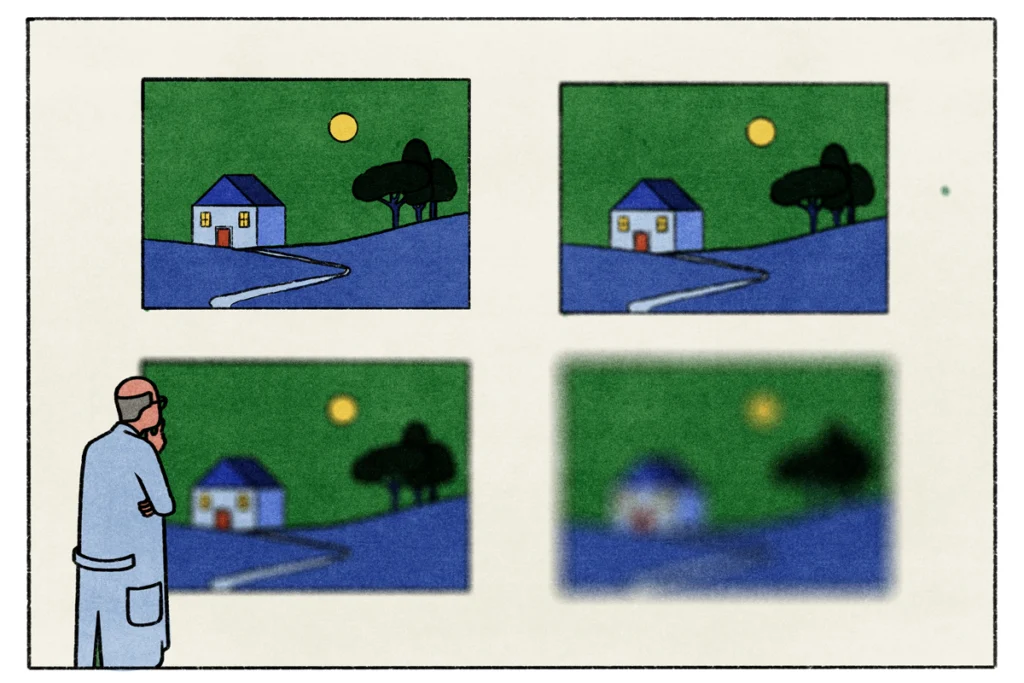
What are we talking about? Clarifying the fuzzy concept of representation in neuroscience and beyond
To foster discourse, scientists need to account for all the different ways they use the term “representation.”
What are we talking about? Clarifying the fuzzy concept of representation in neuroscience and beyond
To foster discourse, scientists need to account for all the different ways they use the term “representation.”
Player One: An edited excerpt from ‘Free Agents — How Evolution Gave Us Free Will’
In his new book, neuroscientist Kevin Mitchell argues that, despite his field’s mechanistic models of cognition, we are all “Player One” in the game of life, the authors of our own actions.
Player One: An edited excerpt from ‘Free Agents — How Evolution Gave Us Free Will’
In his new book, neuroscientist Kevin Mitchell argues that, despite his field’s mechanistic models of cognition, we are all “Player One” in the game of life, the authors of our own actions.
Explore more from The Transmitter
Are Brains and AI Converging?—an excerpt from ‘ChatGPT and the Future of AI: The Deep Language Revolution’
In his new book, to be published next week, computational neuroscience pioneer Sejnowski tackles debates about AI’s capacity to mirror cognitive processes.
Are Brains and AI Converging?—an excerpt from ‘ChatGPT and the Future of AI: The Deep Language Revolution’
In his new book, to be published next week, computational neuroscience pioneer Sejnowski tackles debates about AI’s capacity to mirror cognitive processes.
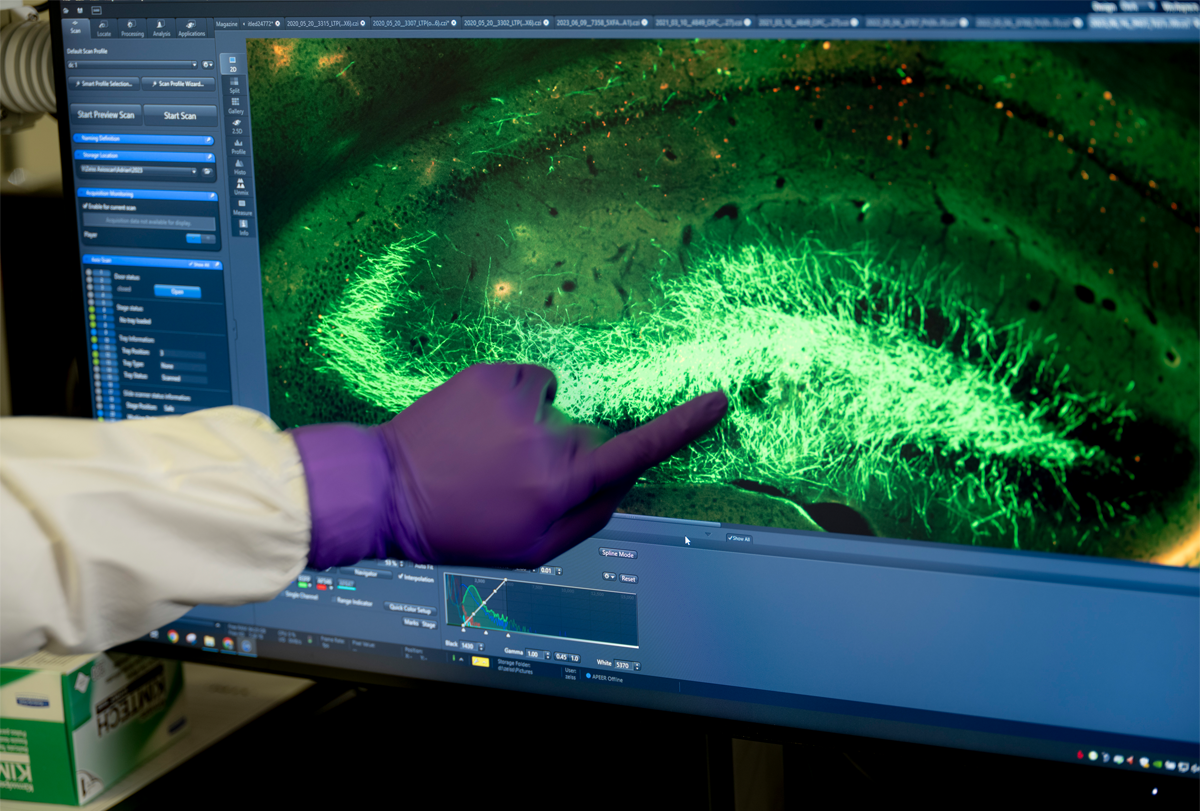
New tissue-clearing techniques let microscopes peer deeper into living brains
Washing mouse brain tissue with a blood protein or complex sugar can illuminate cells 550 micrometers into the cortex without compromising its normal physiology.
New tissue-clearing techniques let microscopes peer deeper into living brains
Washing mouse brain tissue with a blood protein or complex sugar can illuminate cells 550 micrometers into the cortex without compromising its normal physiology.

New catalog charts familial ties from autism to 90 other conditions
The research tool reveals associations stretching across three generations.
New catalog charts familial ties from autism to 90 other conditions
The research tool reveals associations stretching across three generations.