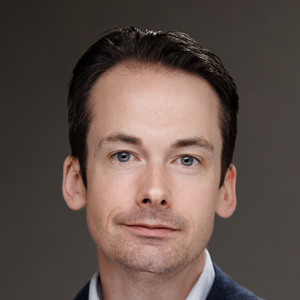
Tomás Ryan is associate professor of neuroscience in the School of Biochemistry and Immunology and a principal investigator at the Trinity College Institute of Neuroscience at Trinity College Dublin in Ireland. He holds a joint faculty position at the Florey Institute of Neuroscience of Neuroscience and Mental Health at the University of Melbourne in Australia. His research group aims to understand how memory engrams change over development and how they interact with innate representations. His primary research is supported by the European Research Council, Science Foundation Ireland, the Jacobs Foundation and the Lister Institute of Preventive Medicine, among other sources. Ryan is a CIFAR Azrieli Global Scholar in the Canadian Institute for Advanced Research. With Francis Fallon, he co-founded and co-directs the project Representation: Past, Present, and Future, supported by the Wellcome Trust Institutional Strategic Support Fund as part of Trinity College Dublin’s Neurohumanities program.
Tomás J. Ryan
Associate professor of neuroscience
Trinity College Dublin
From this contributor
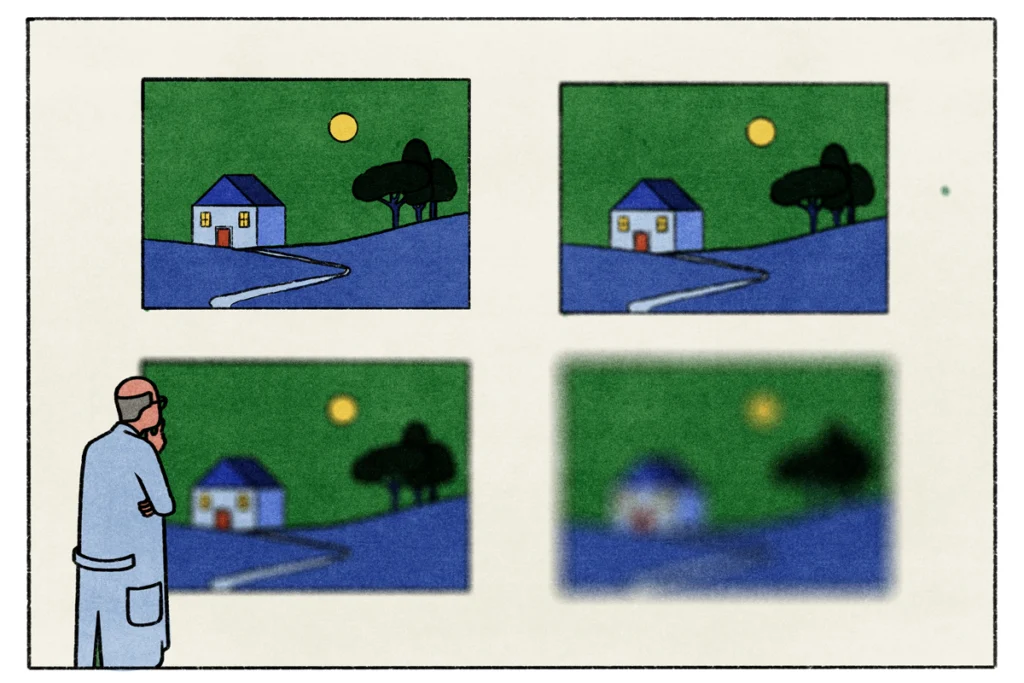
What are we talking about? Clarifying the fuzzy concept of representation in neuroscience and beyond
To foster discourse, scientists need to account for all the different ways they use the term “representation.”
Explore more from The Transmitter
Are Brains and AI Converging?—an excerpt from ‘ChatGPT and the Future of AI: The Deep Language Revolution’
In his new book, to be published next week, computational neuroscience pioneer Sejnowski tackles debates about AI’s capacity to mirror cognitive processes.
Are Brains and AI Converging?—an excerpt from ‘ChatGPT and the Future of AI: The Deep Language Revolution’
In his new book, to be published next week, computational neuroscience pioneer Sejnowski tackles debates about AI’s capacity to mirror cognitive processes.
New tissue-clearing techniques let microscopes peer deeper into living brains
Washing mouse brain tissue with a blood protein or complex sugar can illuminate cells 550 micrometers into the cortex without compromising its normal physiology.
New tissue-clearing techniques let microscopes peer deeper into living brains
Washing mouse brain tissue with a blood protein or complex sugar can illuminate cells 550 micrometers into the cortex without compromising its normal physiology.
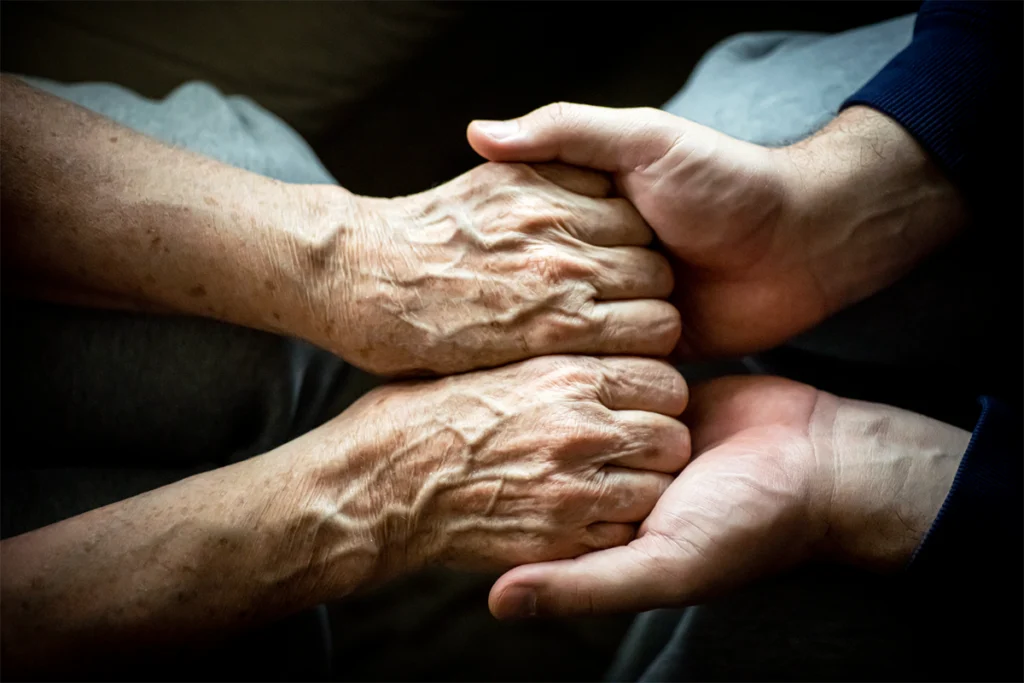
New catalog charts familial ties from autism to 90 other conditions
The research tool reveals associations stretching across three generations.
New catalog charts familial ties from autism to 90 other conditions
The research tool reveals associations stretching across three generations.