Accounting for autism’s prevalence
Recent articles

U.S. study charts changing prevalence of profound and non-profound autism
Profound autism prevalence rose from 2002 to 2016, though not nearly as much as non-profound autism did.
U.S. study charts changing prevalence of profound and non-profound autism
Profound autism prevalence rose from 2002 to 2016, though not nearly as much as non-profound autism did.

U.S. autism prevalence continues to rise as race and sex gaps shrink, new stats show
About 1 in 36 children in the United States has autism, up almost 20 percent from the previous estimate, reflecting improved identification, particularly among girls and Black, Hispanic and Asian or Pacific Islander children.
U.S. autism prevalence continues to rise as race and sex gaps shrink, new stats show
About 1 in 36 children in the United States has autism, up almost 20 percent from the previous estimate, reflecting improved identification, particularly among girls and Black, Hispanic and Asian or Pacific Islander children.
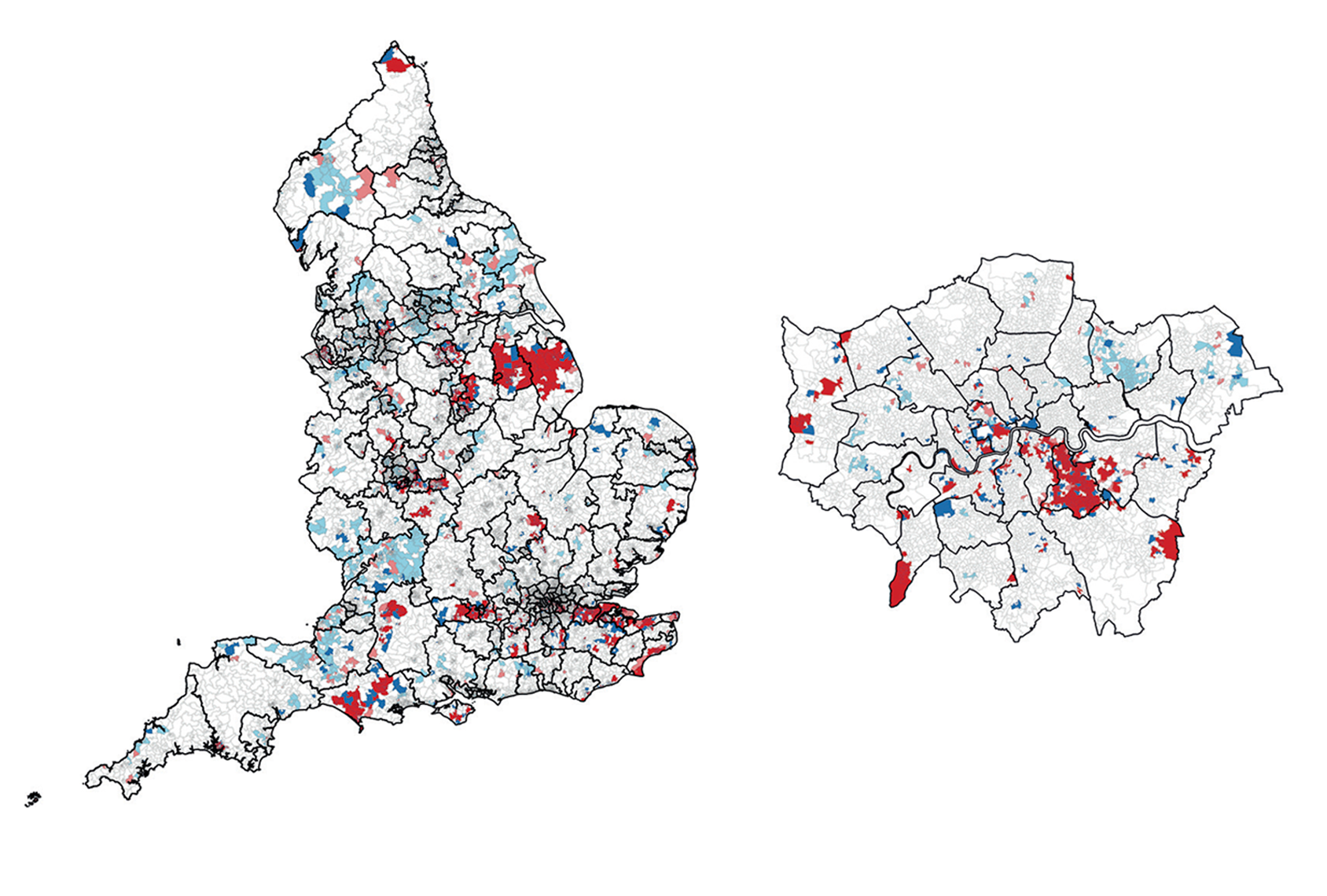
Autism incidence in England varies by ethnicity, class, location
High rates of autism are linked to lower socioeconomic status and minority ethnic groups, according to the largest-ever autism incidence study.
Autism incidence in England varies by ethnicity, class, location
High rates of autism are linked to lower socioeconomic status and minority ethnic groups, according to the largest-ever autism incidence study.

Autism by the numbers: Explaining its apparent rise
Is autism really more common among children today than in generations past? This new downloadable book offers an in-depth guide to the various factors that have helped to drive autism prevalence numbers up.
Autism by the numbers: Explaining its apparent rise
Is autism really more common among children today than in generations past? This new downloadable book offers an in-depth guide to the various factors that have helped to drive autism prevalence numbers up.
U.S. autism prevalence inches upward as racial gaps close
Autism prevalence in the United States rose to 1 in 44 children in 2018, up from 1 in 54 in 2016.
U.S. autism prevalence inches upward as racial gaps close
Autism prevalence in the United States rose to 1 in 44 children in 2018, up from 1 in 54 in 2016.
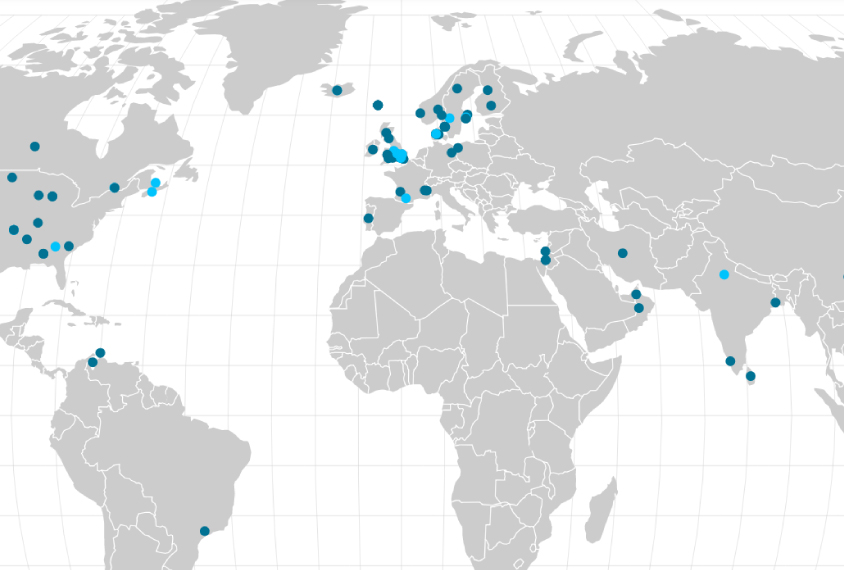
Map of global autism prevalence
View an interactive map of studies on autism prevalence around the world. The map highlights places where information is available — and places where information is missing.
Map of global autism prevalence
View an interactive map of studies on autism prevalence around the world. The map highlights places where information is available — and places where information is missing.
Explore more from The Transmitter
Are Brains and AI Converging?—an excerpt from ‘ChatGPT and the Future of AI: The Deep Language Revolution’
In his new book, to be published next week, computational neuroscience pioneer Sejnowski tackles debates about AI’s capacity to mirror cognitive processes.
Are Brains and AI Converging?—an excerpt from ‘ChatGPT and the Future of AI: The Deep Language Revolution’
In his new book, to be published next week, computational neuroscience pioneer Sejnowski tackles debates about AI’s capacity to mirror cognitive processes.
New tissue-clearing techniques let microscopes peer deeper into living brains
Washing mouse brain tissue with a blood protein or complex sugar can illuminate cells 550 micrometers into the cortex without compromising its normal physiology.
New tissue-clearing techniques let microscopes peer deeper into living brains
Washing mouse brain tissue with a blood protein or complex sugar can illuminate cells 550 micrometers into the cortex without compromising its normal physiology.

New catalog charts familial ties from autism to 90 other conditions
The research tool reveals associations stretching across three generations.
New catalog charts familial ties from autism to 90 other conditions
The research tool reveals associations stretching across three generations.