Anterior cingulate gyrus
Recent articles
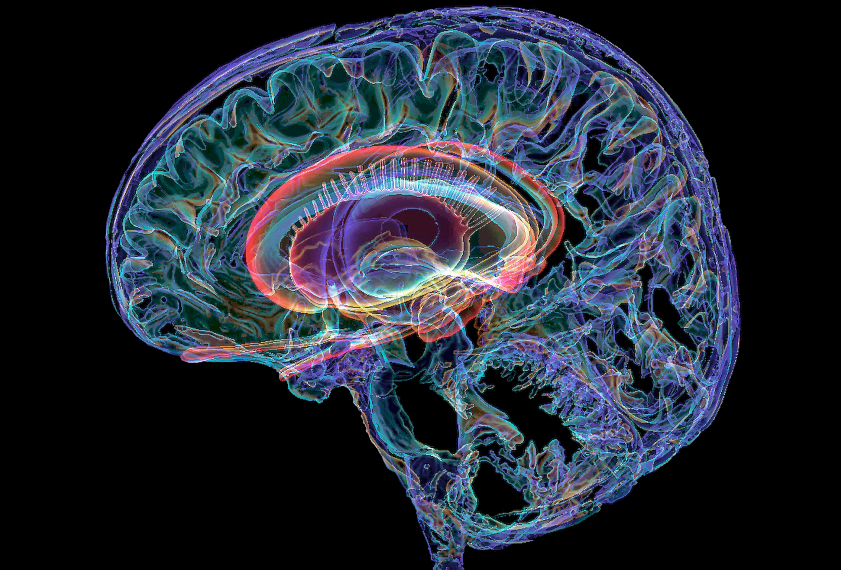
Amygdala-linked brain areas grow differently in autism
The growth differences vary between autistic boys and girls and are most apparent among children with prominent social difficulties.
Amygdala-linked brain areas grow differently in autism
The growth differences vary between autistic boys and girls and are most apparent among children with prominent social difficulties.

Reward-system differences may underlie multiple autism features
The brain's system for sensing pleasure and reward shows unusual activation patterns and an atypical structure in people with autism.
Reward-system differences may underlie multiple autism features
The brain's system for sensing pleasure and reward shows unusual activation patterns and an atypical structure in people with autism.
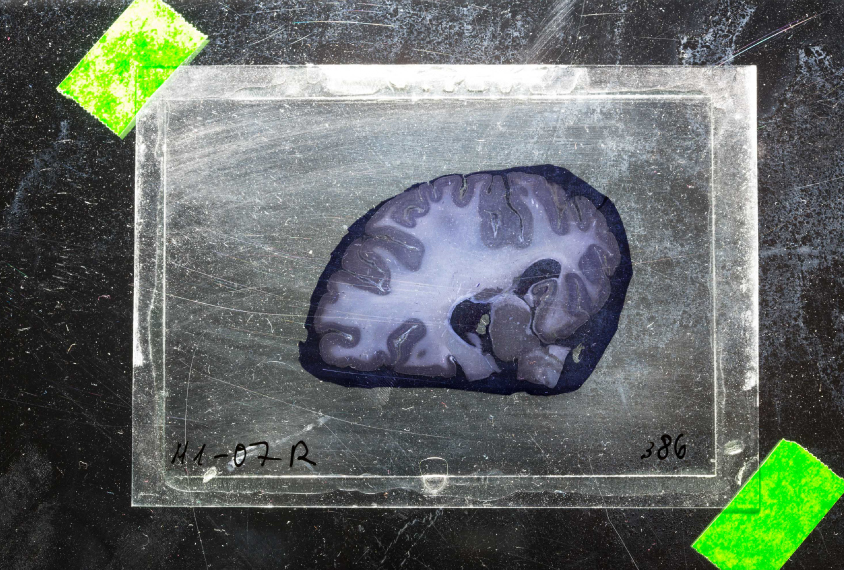
Banking on brains for clues to autism
New initiatives aim to increase brain donations for autism research and maximize what scientists can learn from these precious specimens.
Banking on brains for clues to autism
New initiatives aim to increase brain donations for autism research and maximize what scientists can learn from these precious specimens.

Brain hiccup may explain some social problems in autism
People with autism show an atypical pattern of brain activity when trying to adopt another person’s point of view.
Brain hiccup may explain some social problems in autism
People with autism show an atypical pattern of brain activity when trying to adopt another person’s point of view.

Neurons move early, mature late in developing monkey brain
Researchers have mapped the migration patterns of neurons in the developing monkey brain and pinpointed when they establish their identities.
Neurons move early, mature late in developing monkey brain
Researchers have mapped the migration patterns of neurons in the developing monkey brain and pinpointed when they establish their identities.
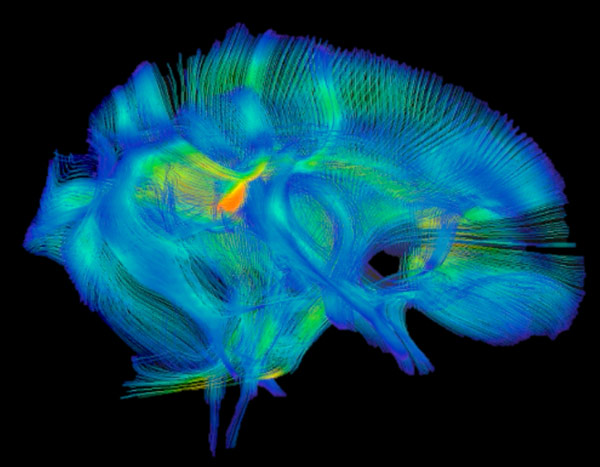
Brain structure abnormalities predict repetitive behaviors
Among babies who go on to receive a diagnosis of autism at age 2, alterations in brain structures forecast the severity of repetitive behaviors. The preliminary results were presented Saturday at the 2015 International Meeting for Autism Research in Salt Lake City, Utah.
Brain structure abnormalities predict repetitive behaviors
Among babies who go on to receive a diagnosis of autism at age 2, alterations in brain structures forecast the severity of repetitive behaviors. The preliminary results were presented Saturday at the 2015 International Meeting for Autism Research in Salt Lake City, Utah.

New clues connect altered patterns of DNA tags to autism
Methyl tags on DNA are distributed differently in postmortem brains from people with autism than in control brains, and mouse pups can inherit altered methylation from their older fathers, report two new studies.
New clues connect altered patterns of DNA tags to autism
Methyl tags on DNA are distributed differently in postmortem brains from people with autism than in control brains, and mouse pups can inherit altered methylation from their older fathers, report two new studies.

Mind-body movement
Children with autism, even those with low intelligence, can improve their self-control by practicing a Chinese mind-body exercise technique, reports a study published 10 July in PLoS One.
Mind-body movement
Children with autism, even those with low intelligence, can improve their self-control by practicing a Chinese mind-body exercise technique, reports a study published 10 July in PLoS One.

Imaging reveals more folds, thicker cortex in autism brains
The brains of people with autism are structurally different from those of controls, with more folds and a thicker cortex in certain regions, according to two studies published in the past few months.
Imaging reveals more folds, thicker cortex in autism brains
The brains of people with autism are structurally different from those of controls, with more folds and a thicker cortex in certain regions, according to two studies published in the past few months.

Molecular mechanisms: Master regulator altered in autism
SP1, a protein that regulates the expression of several autism candidate genes, could increase risk of the disorder by simultaneously altering the expression of a number of the genes, according to a study published 24 October in Biological Psychiatry.
Molecular mechanisms: Master regulator altered in autism
SP1, a protein that regulates the expression of several autism candidate genes, could increase risk of the disorder by simultaneously altering the expression of a number of the genes, according to a study published 24 October in Biological Psychiatry.
Explore more from The Transmitter
Are Brains and AI Converging?—an excerpt from ‘ChatGPT and the Future of AI: The Deep Language Revolution’
In his new book, to be published next week, computational neuroscience pioneer Sejnowski tackles debates about AI’s capacity to mirror cognitive processes.
Are Brains and AI Converging?—an excerpt from ‘ChatGPT and the Future of AI: The Deep Language Revolution’
In his new book, to be published next week, computational neuroscience pioneer Sejnowski tackles debates about AI’s capacity to mirror cognitive processes.
New tissue-clearing techniques let microscopes peer deeper into living brains
Washing mouse brain tissue with a blood protein or complex sugar can illuminate cells 550 micrometers into the cortex without compromising its normal physiology.
New tissue-clearing techniques let microscopes peer deeper into living brains
Washing mouse brain tissue with a blood protein or complex sugar can illuminate cells 550 micrometers into the cortex without compromising its normal physiology.

New catalog charts familial ties from autism to 90 other conditions
The research tool reveals associations stretching across three generations.
New catalog charts familial ties from autism to 90 other conditions
The research tool reveals associations stretching across three generations.