Dup15q 2017
Recent articles

Mat with pressure sensors detects characteristic gait in dup15q syndrome
People with dup15q syndrome tend to walk slowly, have a wide stance and take short steps.
Mat with pressure sensors detects characteristic gait in dup15q syndrome
People with dup15q syndrome tend to walk slowly, have a wide stance and take short steps.
Anxiety, seizures mark mice with extra copy of autism gene
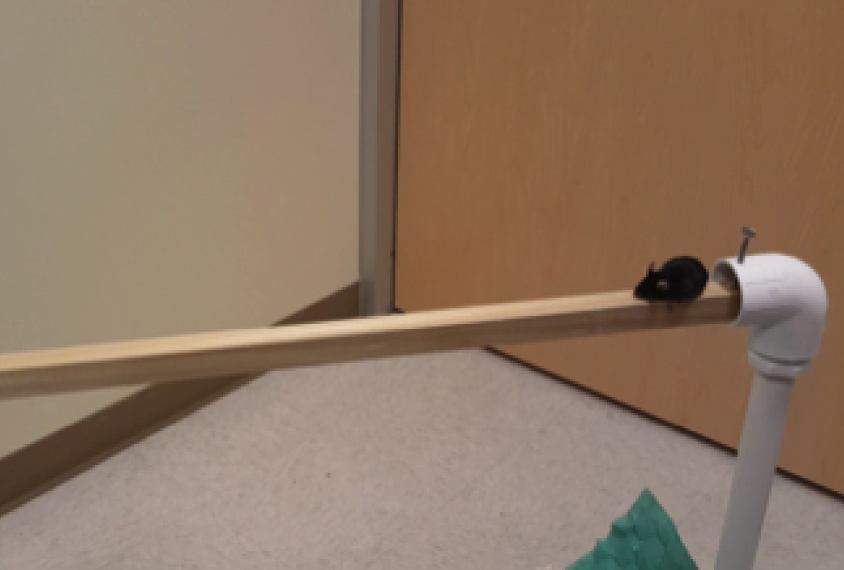
Mice with an extra copy of UBE3A, a gene linked to autism, have learning problems and anxiety, and are prone to seizures and fine-motor problems.
Anxiety, seizures mark mice with extra copy of autism gene
Mice with an extra copy of UBE3A, a gene linked to autism, have learning problems and anxiety, and are prone to seizures and fine-motor problems.

Antidepressant eases some autism features in mice
A drug that keeps neurons bathed in the chemical messenger serotonin prevents social abnormalities in a mouse model of dup15q syndrome.
Antidepressant eases some autism features in mice
A drug that keeps neurons bathed in the chemical messenger serotonin prevents social abnormalities in a mouse model of dup15q syndrome.
Dim light casts shadow on mouse sleep, behavior
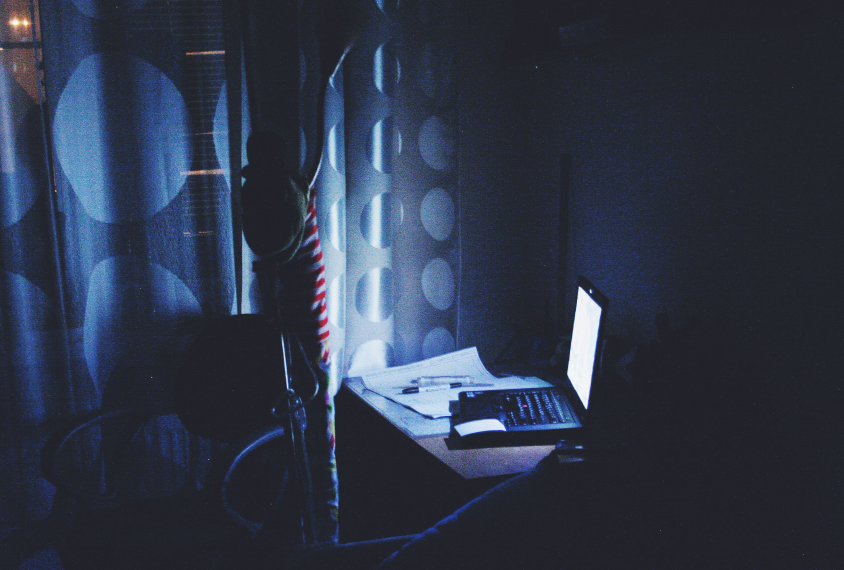
Exposure to a dim light at night disrupts sleep and worsens repetitive behaviors and social difficulties in a mouse model of autism.
Dim light casts shadow on mouse sleep, behavior
Exposure to a dim light at night disrupts sleep and worsens repetitive behaviors and social difficulties in a mouse model of autism.
Explore more from The Transmitter
Are Brains and AI Converging?—an excerpt from ‘ChatGPT and the Future of AI: The Deep Language Revolution’
In his new book, to be published next week, computational neuroscience pioneer Sejnowski tackles debates about AI’s capacity to mirror cognitive processes.
Are Brains and AI Converging?—an excerpt from ‘ChatGPT and the Future of AI: The Deep Language Revolution’
In his new book, to be published next week, computational neuroscience pioneer Sejnowski tackles debates about AI’s capacity to mirror cognitive processes.
New tissue-clearing techniques let microscopes peer deeper into living brains
Washing mouse brain tissue with a blood protein or complex sugar can illuminate cells 550 micrometers into the cortex without compromising its normal physiology.
New tissue-clearing techniques let microscopes peer deeper into living brains
Washing mouse brain tissue with a blood protein or complex sugar can illuminate cells 550 micrometers into the cortex without compromising its normal physiology.

New catalog charts familial ties from autism to 90 other conditions
The research tool reveals associations stretching across three generations.
New catalog charts familial ties from autism to 90 other conditions
The research tool reveals associations stretching across three generations.