Family ties
Recent articles
How ordinary people influence autism research

The builders: How parents shaped autism research
A group of savvy parents jump-started autism research in California, but they also set the research agenda.
The builders: How parents shaped autism research
A group of savvy parents jump-started autism research in California, but they also set the research agenda.
The innovators: How families launch their own autism studies
Some parents are starting ‘N-of-1’ studies for autism, but their efforts don’t always get taken seriously.
The innovators: How families launch their own autism studies
Some parents are starting ‘N-of-1’ studies for autism, but their efforts don’t always get taken seriously.
The seekers: Why parents try fringe therapies for autism
Many parents resort to unproven — even dangerous — alternative treatments for their children’s autism. What drives them?
The seekers: Why parents try fringe therapies for autism
Many parents resort to unproven — even dangerous — alternative treatments for their children’s autism. What drives them?
The pioneers: How parents are experimenting with marijuana for autism
Meet the backyard marijuana growers and home chemists who are rushing in where scientists fear to tread.
The pioneers: How parents are experimenting with marijuana for autism
Meet the backyard marijuana growers and home chemists who are rushing in where scientists fear to tread.
Explore more from The Transmitter
Are Brains and AI Converging?—an excerpt from ‘ChatGPT and the Future of AI: The Deep Language Revolution’
In his new book, to be published next week, computational neuroscience pioneer Sejnowski tackles debates about AI’s capacity to mirror cognitive processes.
Are Brains and AI Converging?—an excerpt from ‘ChatGPT and the Future of AI: The Deep Language Revolution’
In his new book, to be published next week, computational neuroscience pioneer Sejnowski tackles debates about AI’s capacity to mirror cognitive processes.
New tissue-clearing techniques let microscopes peer deeper into living brains
Washing mouse brain tissue with a blood protein or complex sugar can illuminate cells 550 micrometers into the cortex without compromising its normal physiology.
New tissue-clearing techniques let microscopes peer deeper into living brains
Washing mouse brain tissue with a blood protein or complex sugar can illuminate cells 550 micrometers into the cortex without compromising its normal physiology.
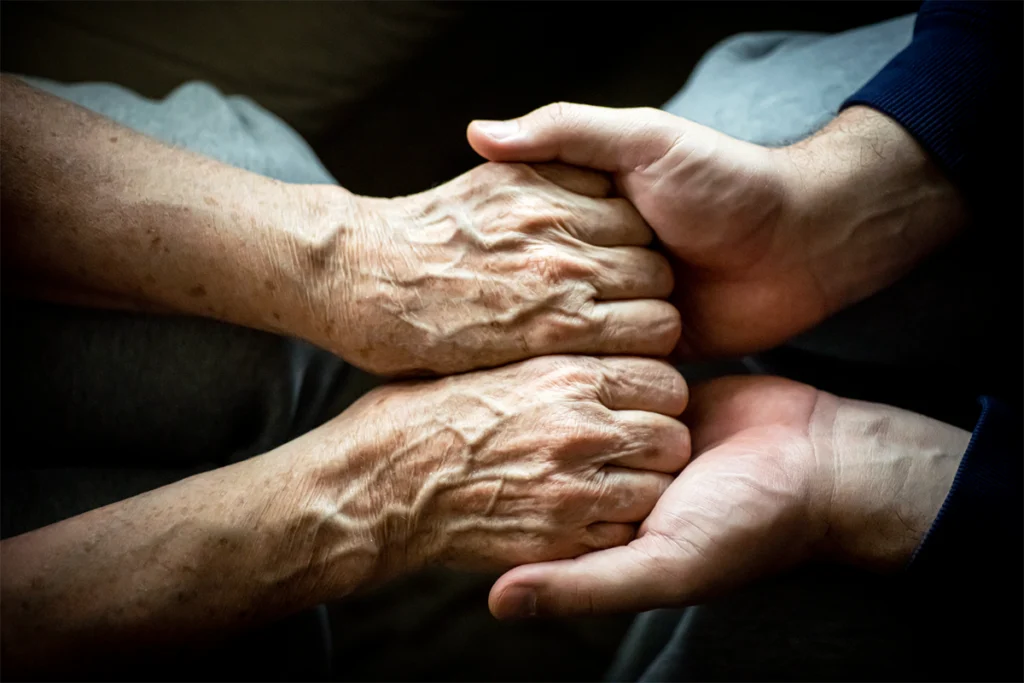
New catalog charts familial ties from autism to 90 other conditions
The research tool reveals associations stretching across three generations.
New catalog charts familial ties from autism to 90 other conditions
The research tool reveals associations stretching across three generations.