History of neuroscience
Recent articles
Six new neuroscience books for fall—plus five titles you may have missed
We highlight the most anticipated neuroscience books for the remainder of 2024 and recap notable releases since last December.
Six new neuroscience books for fall—plus five titles you may have missed
We highlight the most anticipated neuroscience books for the remainder of 2024 and recap notable releases since last December.
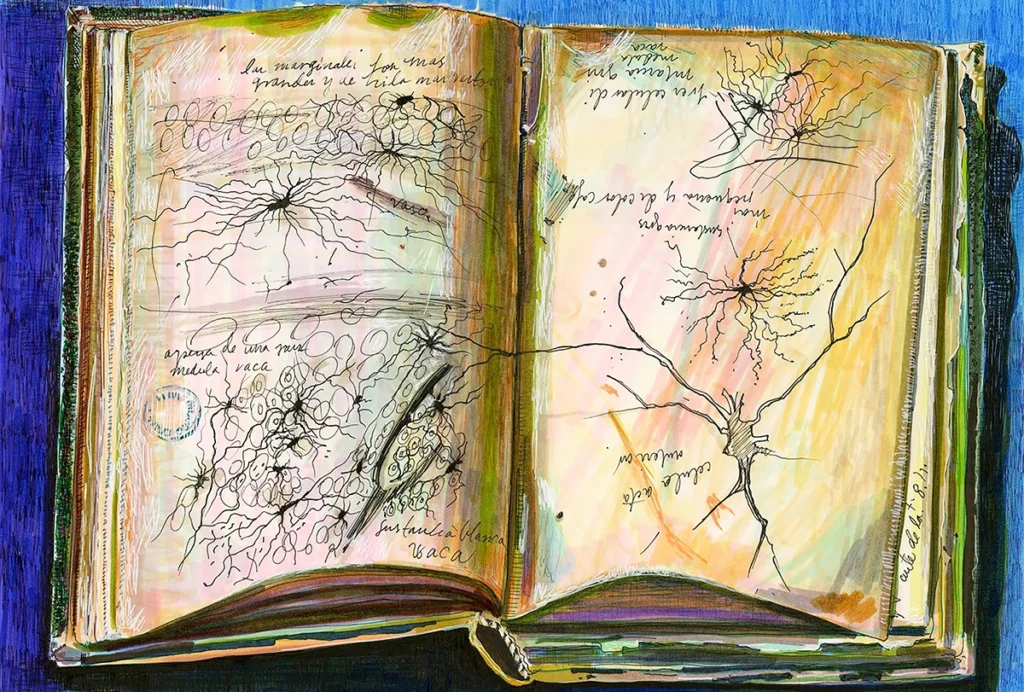
Redrawing Santiago Ramón y Cajal: Q&A with Dawn Hunter
The painter and visual arts professor spent hours recreating Ramón y Cajal’s art and poring over his sketchbooks and self-portraits in the National Archives of Spain, uncovering unappreciated aspects of his techniques and influences.
Redrawing Santiago Ramón y Cajal: Q&A with Dawn Hunter
The painter and visual arts professor spent hours recreating Ramón y Cajal’s art and poring over his sketchbooks and self-portraits in the National Archives of Spain, uncovering unappreciated aspects of his techniques and influences.
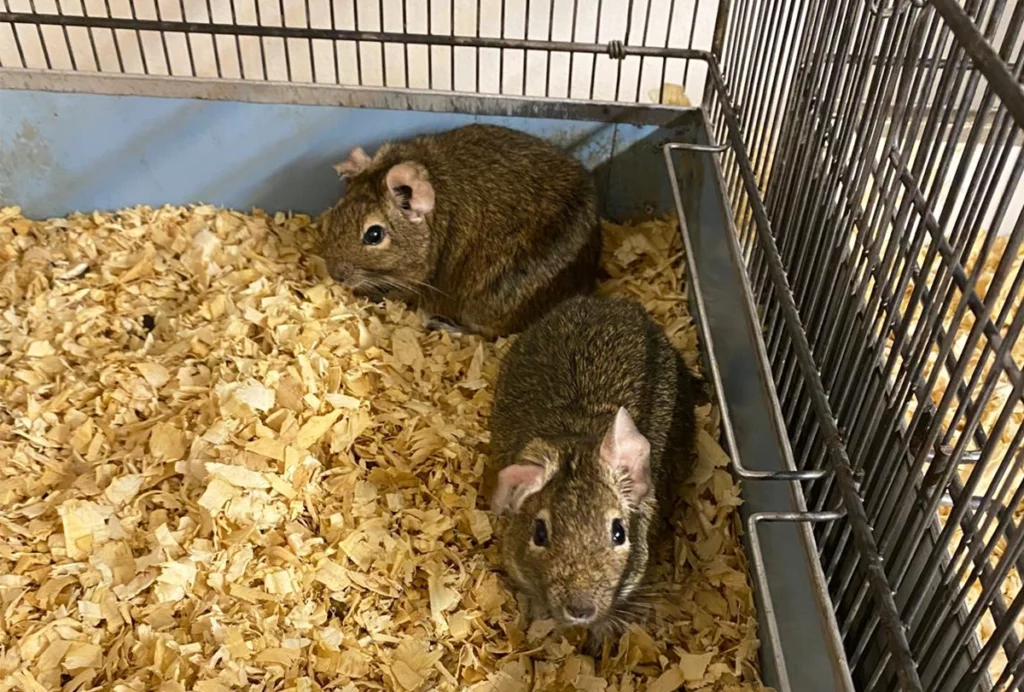
How inbreeding almost tanked an up-and-coming model of Alzheimer’s disease
But new genetic analyses and behavioral assays have made the Chilean degu a viable model again, researchers say.
How inbreeding almost tanked an up-and-coming model of Alzheimer’s disease
But new genetic analyses and behavioral assays have made the Chilean degu a viable model again, researchers say.
Explore more from The Transmitter
Are Brains and AI Converging?—an excerpt from ‘ChatGPT and the Future of AI: The Deep Language Revolution’
In his new book, to be published next week, computational neuroscience pioneer Sejnowski tackles debates about AI’s capacity to mirror cognitive processes.
Are Brains and AI Converging?—an excerpt from ‘ChatGPT and the Future of AI: The Deep Language Revolution’
In his new book, to be published next week, computational neuroscience pioneer Sejnowski tackles debates about AI’s capacity to mirror cognitive processes.
New tissue-clearing techniques let microscopes peer deeper into living brains
Washing mouse brain tissue with a blood protein or complex sugar can illuminate cells 550 micrometers into the cortex without compromising its normal physiology.
New tissue-clearing techniques let microscopes peer deeper into living brains
Washing mouse brain tissue with a blood protein or complex sugar can illuminate cells 550 micrometers into the cortex without compromising its normal physiology.
New catalog charts familial ties from autism to 90 other conditions
The research tool reveals associations stretching across three generations.
New catalog charts familial ties from autism to 90 other conditions
The research tool reveals associations stretching across three generations.