Microglia
Recent articles
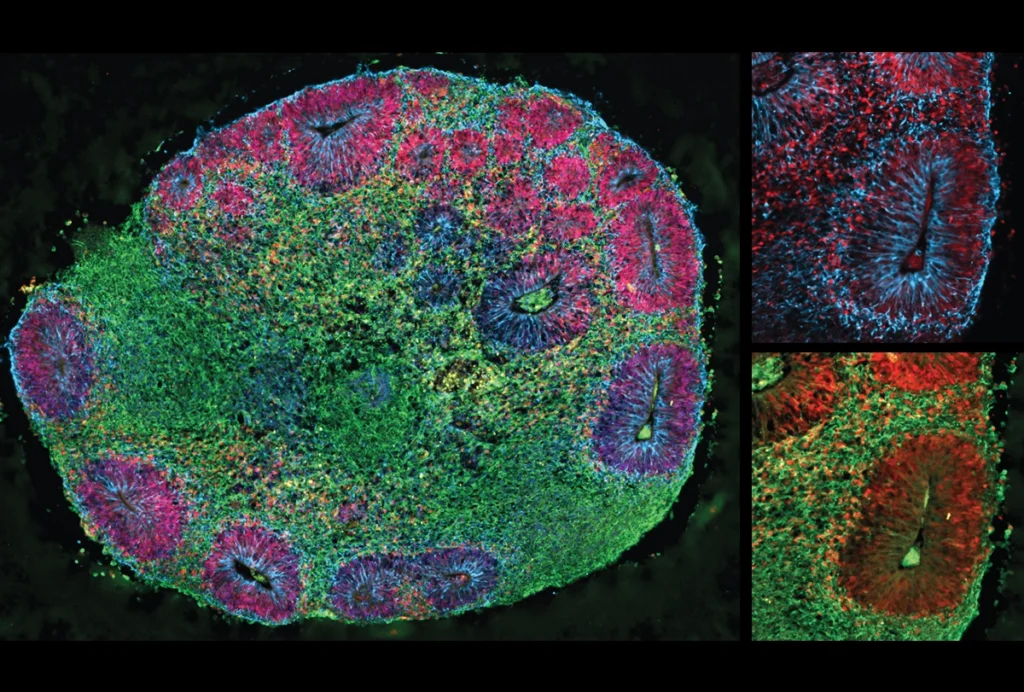
Brain ‘chimeroids’ reveal person-to-person differences rooted in genetics
These fusions created from multiple donors’ organoids may help scale up comparative brain research.
Brain ‘chimeroids’ reveal person-to-person differences rooted in genetics
These fusions created from multiple donors’ organoids may help scale up comparative brain research.
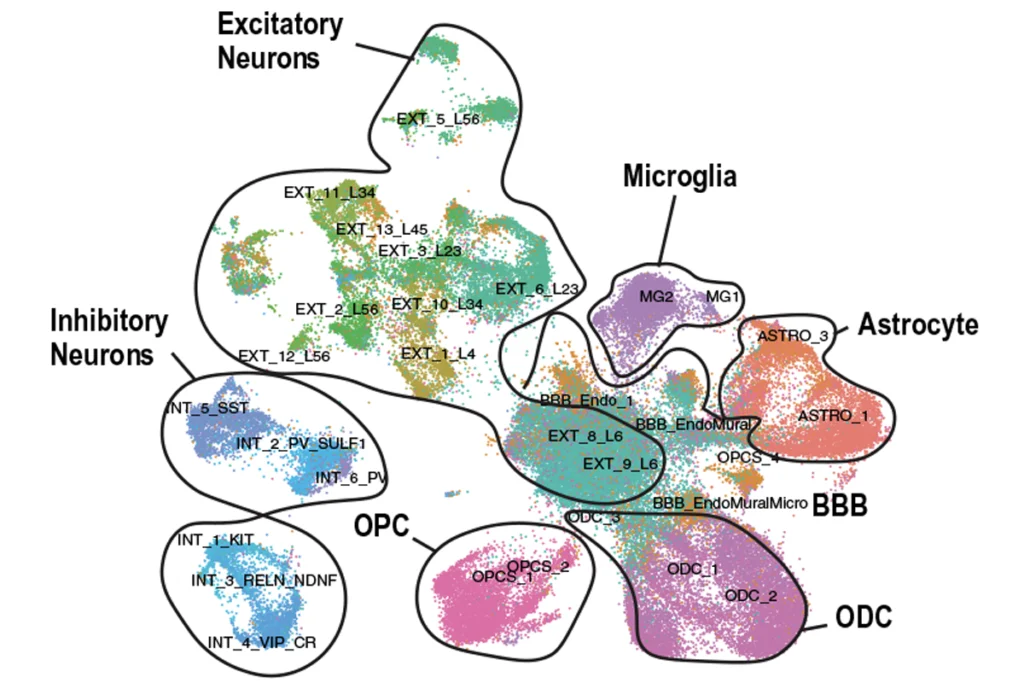
Giant analysis reveals how autism-linked genes affect brain cell types
Genes that predispose people to autism account for a large portion of the neuronal and glial cell changes seen in those with the condition.
Giant analysis reveals how autism-linked genes affect brain cell types
Genes that predispose people to autism account for a large portion of the neuronal and glial cell changes seen in those with the condition.
Where do cell states end and cell types begin?
High-throughput transcriptomics offers powerful new methods for defining different types of brain cells. But we need to think more explicitly about how we use these data to distinguish a cell’s permanent identity from its transient states.
Where do cell states end and cell types begin?
High-throughput transcriptomics offers powerful new methods for defining different types of brain cells. But we need to think more explicitly about how we use these data to distinguish a cell’s permanent identity from its transient states.

Alzheimer’s scientist to correct two papers because of data inconsistencies
Anonymous commenters raised concerns about the statistical methods that Soyon Hong and her colleagues used in their work.
Alzheimer’s scientist to correct two papers because of data inconsistencies
Anonymous commenters raised concerns about the statistical methods that Soyon Hong and her colleagues used in their work.
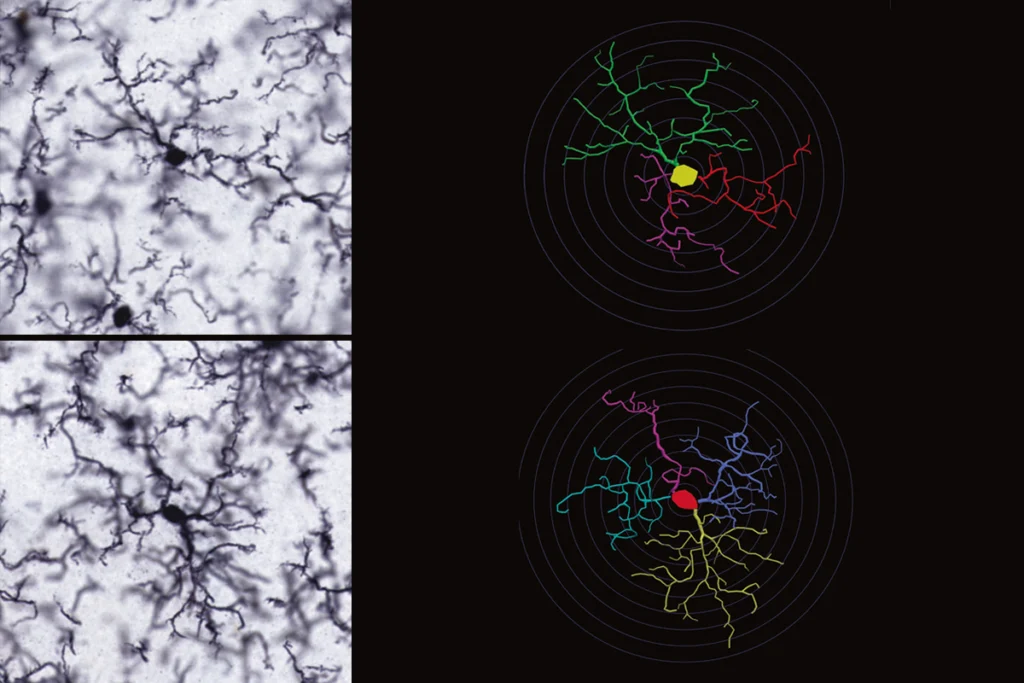
Temperament is innate but hackable, animal studies suggest
Emotional reactivity and vulnerability to stress are largely inherited in rodents — but can be modified in early life by targeting inflammation-related cells or even just adjusting an animal’s environment.
Temperament is innate but hackable, animal studies suggest
Emotional reactivity and vulnerability to stress are largely inherited in rodents — but can be modified in early life by targeting inflammation-related cells or even just adjusting an animal’s environment.
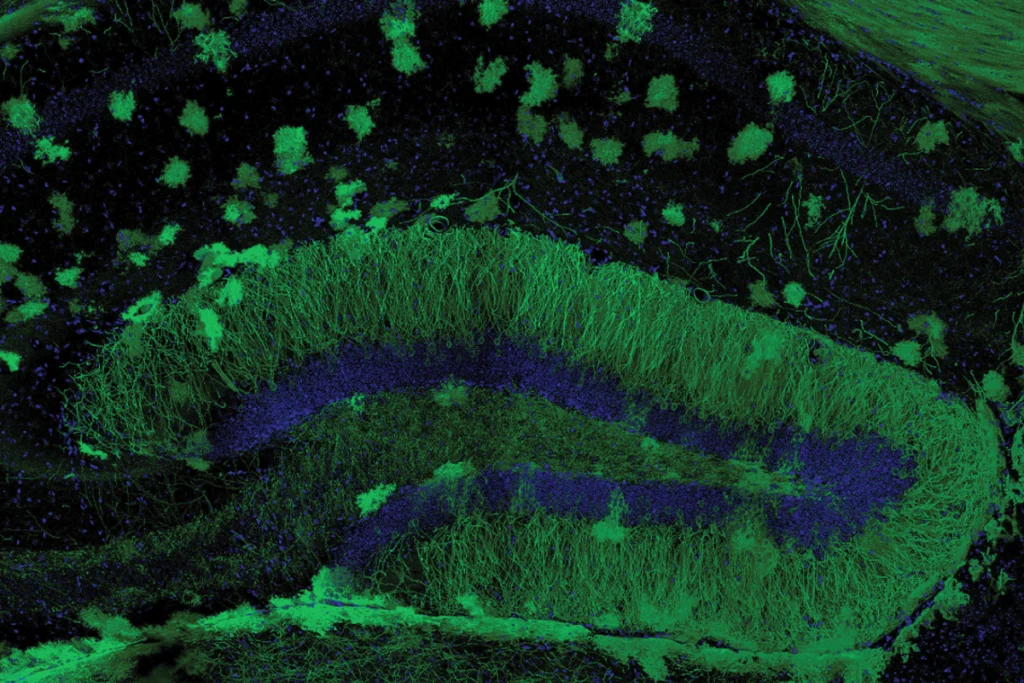
Immune-activation model mice escape infantile amnesia, retain early memories
Male pups born to mothers treated with immune-stimulating molecules show autism-like behaviors and, unlike wildtype animals, do not lose memories formed during early life.
Immune-activation model mice escape infantile amnesia, retain early memories
Male pups born to mothers treated with immune-stimulating molecules show autism-like behaviors and, unlike wildtype animals, do not lose memories formed during early life.
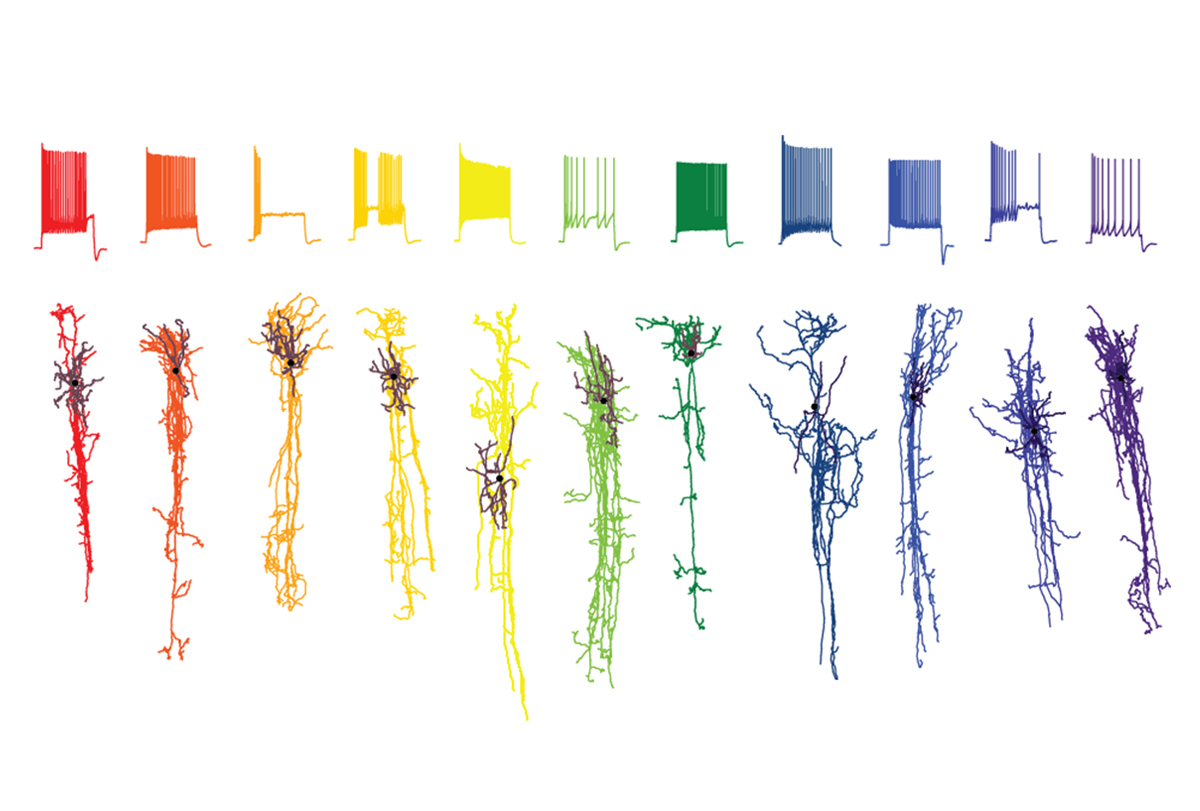
Vast diversity of human brain cell types revealed in trove of new datasets
The collection offers a glimpse into differences in cell composition — across people and brain regions — that may shape neural function.
Vast diversity of human brain cell types revealed in trove of new datasets
The collection offers a glimpse into differences in cell composition — across people and brain regions — that may shape neural function.
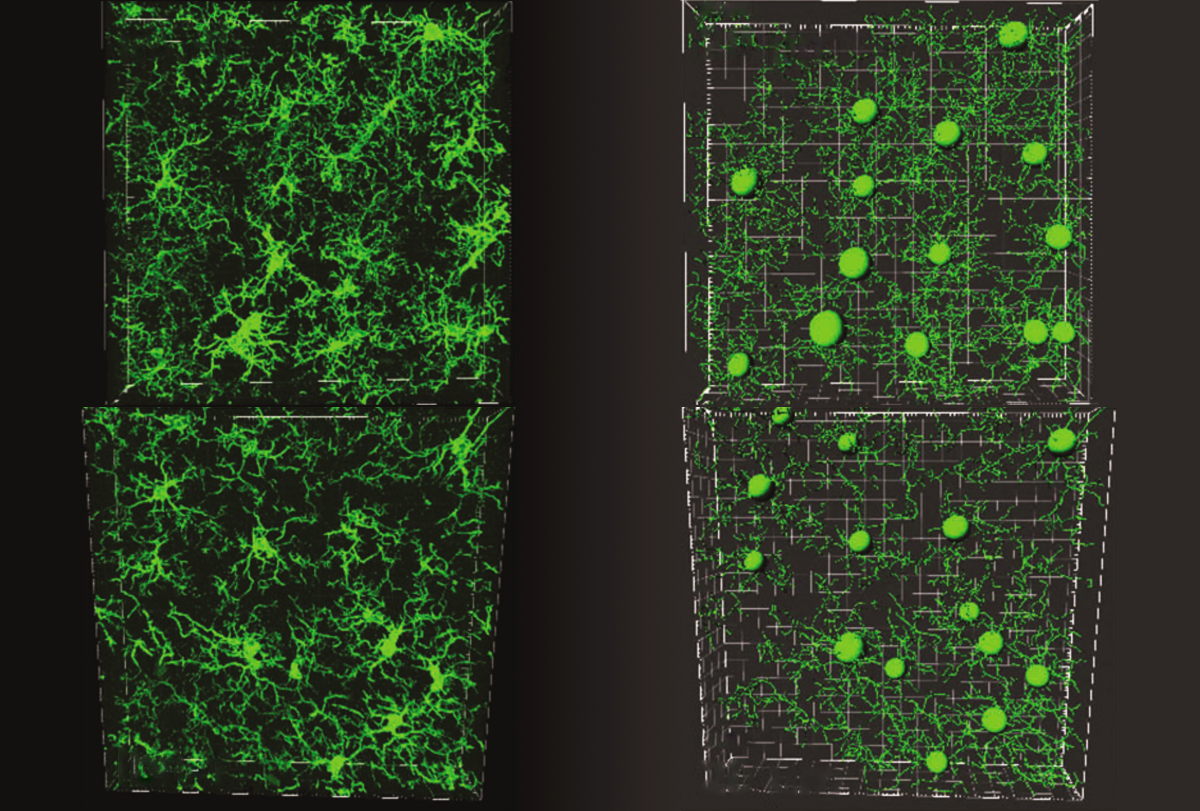
Serotonin powers pruning of developing brain circuits in mice
Mice with microglia missing receptors for the neurotransmitter serotonin since birth have too many synapses and show social difficulties in adulthood.
Serotonin powers pruning of developing brain circuits in mice
Mice with microglia missing receptors for the neurotransmitter serotonin since birth have too many synapses and show social difficulties in adulthood.
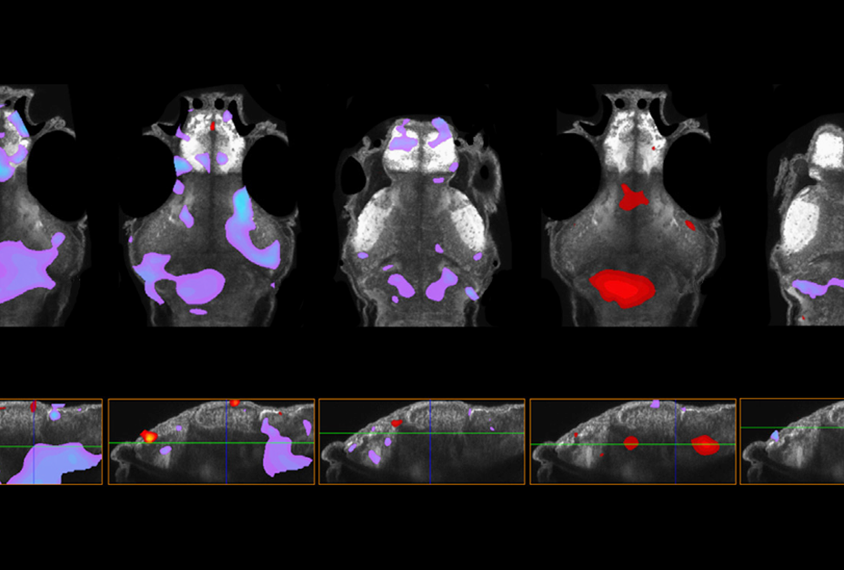
Autism-related genes converge on microglia and dopamine in zebrafish
The findings add to the growing evidence that genes with disparate functions can play similar roles in brain development.
Autism-related genes converge on microglia and dopamine in zebrafish
The findings add to the growing evidence that genes with disparate functions can play similar roles in brain development.
Grafted organoids reveal how microglia adapt to shifting brain environments
The chimeric mouse model could provide a more realistic way to study microglia’s roles in brain conditions such as autism.
Grafted organoids reveal how microglia adapt to shifting brain environments
The chimeric mouse model could provide a more realistic way to study microglia’s roles in brain conditions such as autism.
Explore more from The Transmitter
Are Brains and AI Converging?—an excerpt from ‘ChatGPT and the Future of AI: The Deep Language Revolution’
In his new book, to be published next week, computational neuroscience pioneer Sejnowski tackles debates about AI’s capacity to mirror cognitive processes.
Are Brains and AI Converging?—an excerpt from ‘ChatGPT and the Future of AI: The Deep Language Revolution’
In his new book, to be published next week, computational neuroscience pioneer Sejnowski tackles debates about AI’s capacity to mirror cognitive processes.
New tissue-clearing techniques let microscopes peer deeper into living brains
Washing mouse brain tissue with a blood protein or complex sugar can illuminate cells 550 micrometers into the cortex without compromising its normal physiology.
New tissue-clearing techniques let microscopes peer deeper into living brains
Washing mouse brain tissue with a blood protein or complex sugar can illuminate cells 550 micrometers into the cortex without compromising its normal physiology.

New catalog charts familial ties from autism to 90 other conditions
The research tool reveals associations stretching across three generations.
New catalog charts familial ties from autism to 90 other conditions
The research tool reveals associations stretching across three generations.