RTNS 2012
Recent articles

Better tools needed to assess clinical trials
The past few years have seen an unprecedented number of clinical trials for experimental drugs to treat autism-related disorders, most notably for fragile X syndrome. But as the trials progress, scientists are calling for better methods to measure the drugs’ effectiveness.
Better tools needed to assess clinical trials
The past few years have seen an unprecedented number of clinical trials for experimental drugs to treat autism-related disorders, most notably for fragile X syndrome. But as the trials progress, scientists are calling for better methods to measure the drugs’ effectiveness.
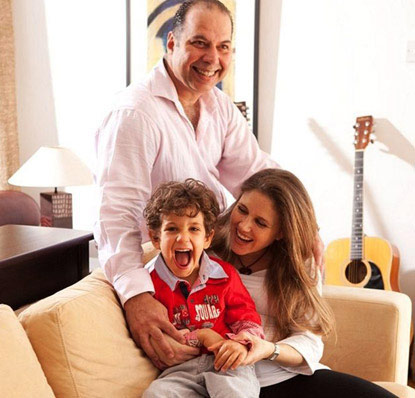
Trials and tribulations
Clinical trials for fragile X drugs should include a behavioral therapy component, says a parent of a child with the disorder.
Trials and tribulations
Clinical trials for fragile X drugs should include a behavioral therapy component, says a parent of a child with the disorder.
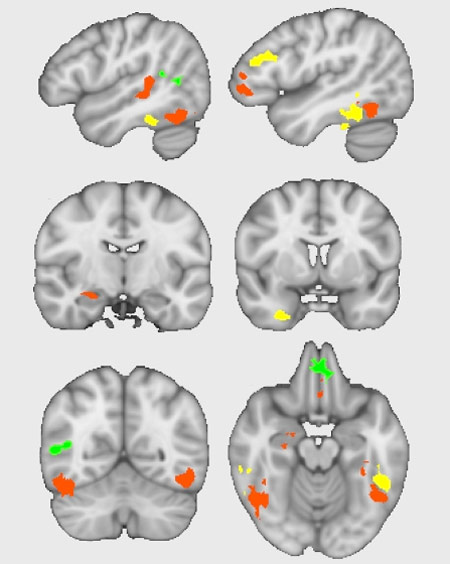
Compensatory mechanisms
Identifying genetic and other factors that protect children at risk of autism from developing the disorder could provide new avenues for treatment.
Compensatory mechanisms
Identifying genetic and other factors that protect children at risk of autism from developing the disorder could provide new avenues for treatment.
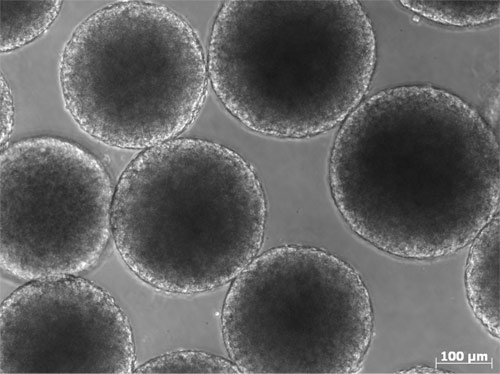
Debate over quality of adult-derived stem cells rages on
As the use of induced pluripotent stem cells grows, researchers are searching for ways to make them behave more predictably.
Debate over quality of adult-derived stem cells rages on
As the use of induced pluripotent stem cells grows, researchers are searching for ways to make them behave more predictably.

Complex case
Multiple levels of complexity make it challenging to develop drugs to treat autism.
Complex case
Multiple levels of complexity make it challenging to develop drugs to treat autism.

Fast-forward
In the last three years, autism researchers have gone from sequencing single genes to whole exomes, as highlighted at the Translational Neuroscience Symposium in Switzerland last week.
Fast-forward
In the last three years, autism researchers have gone from sequencing single genes to whole exomes, as highlighted at the Translational Neuroscience Symposium in Switzerland last week.
Explore more from The Transmitter
Are Brains and AI Converging?—an excerpt from ‘ChatGPT and the Future of AI: The Deep Language Revolution’
In his new book, to be published next week, computational neuroscience pioneer Sejnowski tackles debates about AI’s capacity to mirror cognitive processes.
Are Brains and AI Converging?—an excerpt from ‘ChatGPT and the Future of AI: The Deep Language Revolution’
In his new book, to be published next week, computational neuroscience pioneer Sejnowski tackles debates about AI’s capacity to mirror cognitive processes.
New tissue-clearing techniques let microscopes peer deeper into living brains
Washing mouse brain tissue with a blood protein or complex sugar can illuminate cells 550 micrometers into the cortex without compromising its normal physiology.
New tissue-clearing techniques let microscopes peer deeper into living brains
Washing mouse brain tissue with a blood protein or complex sugar can illuminate cells 550 micrometers into the cortex without compromising its normal physiology.
New catalog charts familial ties from autism to 90 other conditions
The research tool reveals associations stretching across three generations.
New catalog charts familial ties from autism to 90 other conditions
The research tool reveals associations stretching across three generations.