SFARI Gene
Recent articles
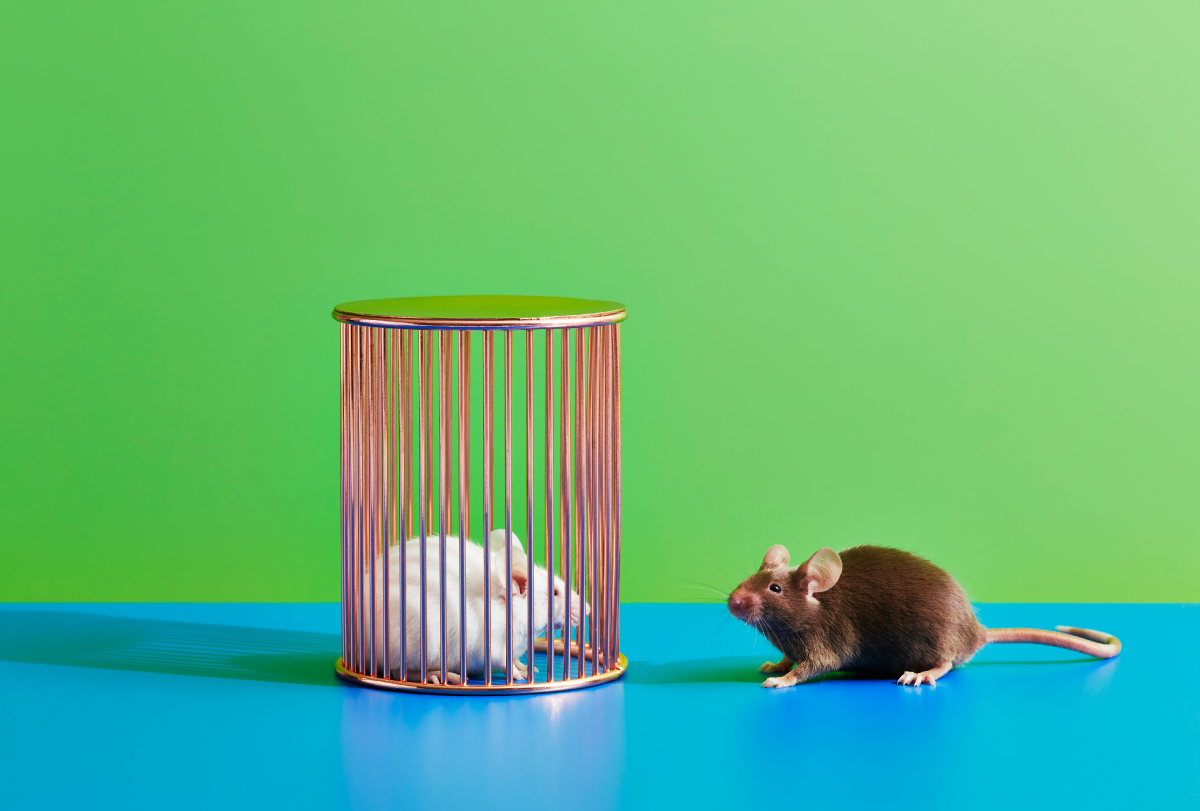
‘VIP’ interneurons may drive autism traits in Dravet syndrome
The inhibitory cells misfire and contribute to social difficulties in mice that model the syndrome.
‘VIP’ interneurons may drive autism traits in Dravet syndrome
The inhibitory cells misfire and contribute to social difficulties in mice that model the syndrome.
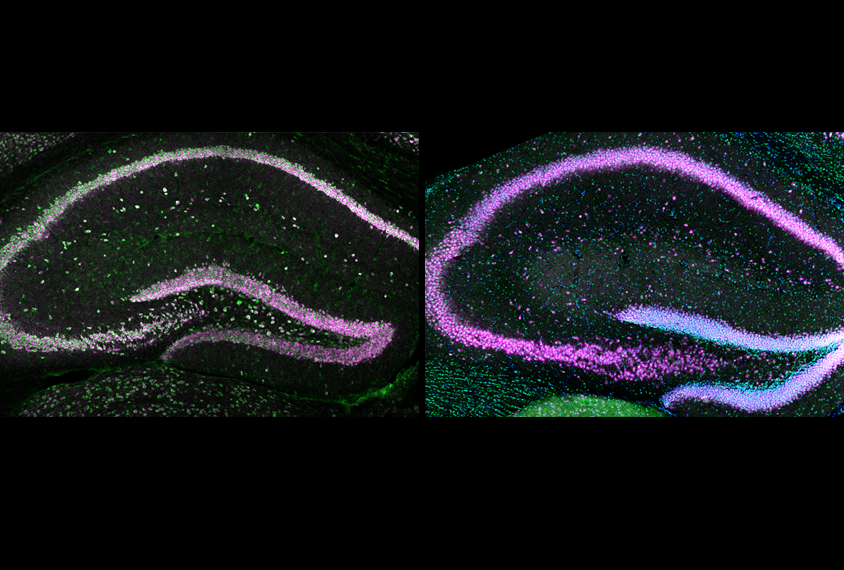
Plethora of protein-making machines in neurons may underlie fragile X
An overabundance of ribosomes drives an imbalance of proteins produced from long and short genetic transcripts in a mouse model of fragile X syndrome.
Plethora of protein-making machines in neurons may underlie fragile X
An overabundance of ribosomes drives an imbalance of proteins produced from long and short genetic transcripts in a mouse model of fragile X syndrome.
Evolutionary approach reveals impact of missense variants in autism
Cross-species comparisons can help make sense of subtle genetic variants in people with autism and identify hundreds of new genes that may contribute to the condition.
Evolutionary approach reveals impact of missense variants in autism
Cross-species comparisons can help make sense of subtle genetic variants in people with autism and identify hundreds of new genes that may contribute to the condition.

New ranking system flags clinically relevant ‘autism genes’
A novel method to evaluate the strength of the evidence linking autism to specific genes could reveal which ones are most useful to screen for.
New ranking system flags clinically relevant ‘autism genes’
A novel method to evaluate the strength of the evidence linking autism to specific genes could reveal which ones are most useful to screen for.
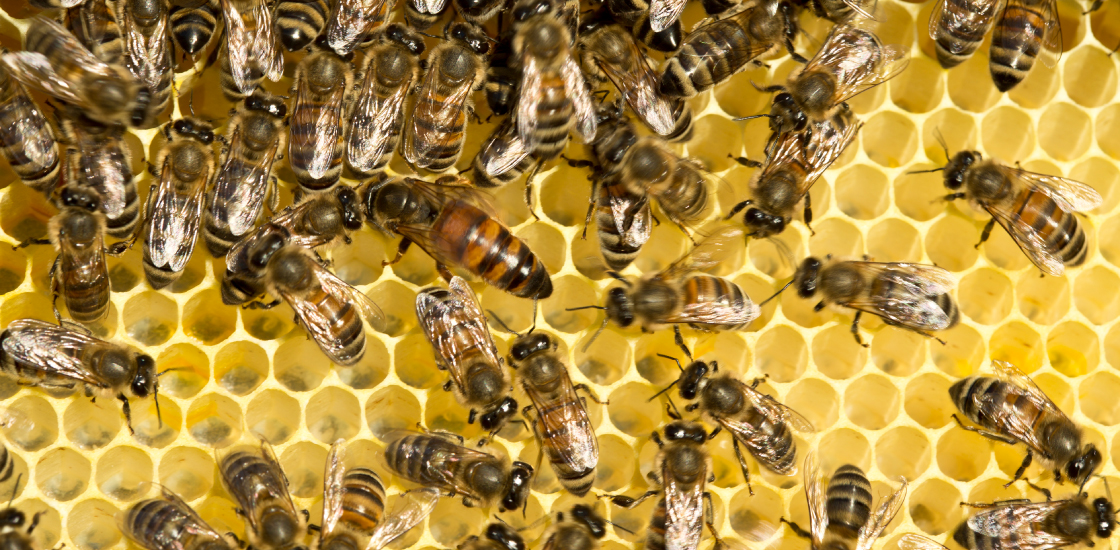
‘Antisocial’ bees point to ancient roots for some autism genes
Honey bees that fail certain social tests have genetic profiles similar to those of people with autism.
‘Antisocial’ bees point to ancient roots for some autism genes
Honey bees that fail certain social tests have genetic profiles similar to those of people with autism.
Family groups play key role in advancing autism research
Families need more support from researchers in order for their heroic efforts to be optimally effective.
Family groups play key role in advancing autism research
Families need more support from researchers in order for their heroic efforts to be optimally effective.

Control centers for genes rife with autism-linked DNA blips
DNA sequences called enhancers — which boost the expression of genes from within or outside them — are enriched for genetic variants linked to autism, suggests a new study. The finding may help researchers understand how variants outside genes contribute to autism.
Control centers for genes rife with autism-linked DNA blips
DNA sequences called enhancers — which boost the expression of genes from within or outside them — are enriched for genetic variants linked to autism, suggests a new study. The finding may help researchers understand how variants outside genes contribute to autism.

Gene networks offer entry point to unraveling autism
By mapping the connections between autism genes, researchers are finding clues to the disorder’s origins. The key, they say, is to begin without bias.
Gene networks offer entry point to unraveling autism
By mapping the connections between autism genes, researchers are finding clues to the disorder’s origins. The key, they say, is to begin without bias.
No ‘ideal’ tissue for gene expression studies of autism
Researchers should investigate a broad spectrum of human- and animal-derived tissues to fully capture the complexity of autism, say Michael Talkowski and James Gusella.
No ‘ideal’ tissue for gene expression studies of autism
Researchers should investigate a broad spectrum of human- and animal-derived tissues to fully capture the complexity of autism, say Michael Talkowski and James Gusella.

Noncoding gene linked to autism
Researchers have identified a noncoding RNA, a genetic message that is not translated into a protein, that may be involved in autism. The discovery, published 4 April in Science Translational Medicine, came from examining a region on chromosome 5 that has been previously linked to the disorder.
Noncoding gene linked to autism
Researchers have identified a noncoding RNA, a genetic message that is not translated into a protein, that may be involved in autism. The discovery, published 4 April in Science Translational Medicine, came from examining a region on chromosome 5 that has been previously linked to the disorder.
Explore more from The Transmitter
Are Brains and AI Converging?—an excerpt from ‘ChatGPT and the Future of AI: The Deep Language Revolution’
In his new book, to be published next week, computational neuroscience pioneer Sejnowski tackles debates about AI’s capacity to mirror cognitive processes.
Are Brains and AI Converging?—an excerpt from ‘ChatGPT and the Future of AI: The Deep Language Revolution’
In his new book, to be published next week, computational neuroscience pioneer Sejnowski tackles debates about AI’s capacity to mirror cognitive processes.
New tissue-clearing techniques let microscopes peer deeper into living brains
Washing mouse brain tissue with a blood protein or complex sugar can illuminate cells 550 micrometers into the cortex without compromising its normal physiology.
New tissue-clearing techniques let microscopes peer deeper into living brains
Washing mouse brain tissue with a blood protein or complex sugar can illuminate cells 550 micrometers into the cortex without compromising its normal physiology.

New catalog charts familial ties from autism to 90 other conditions
The research tool reveals associations stretching across three generations.
New catalog charts familial ties from autism to 90 other conditions
The research tool reveals associations stretching across three generations.