SYNGAP1 2020
Recent articles
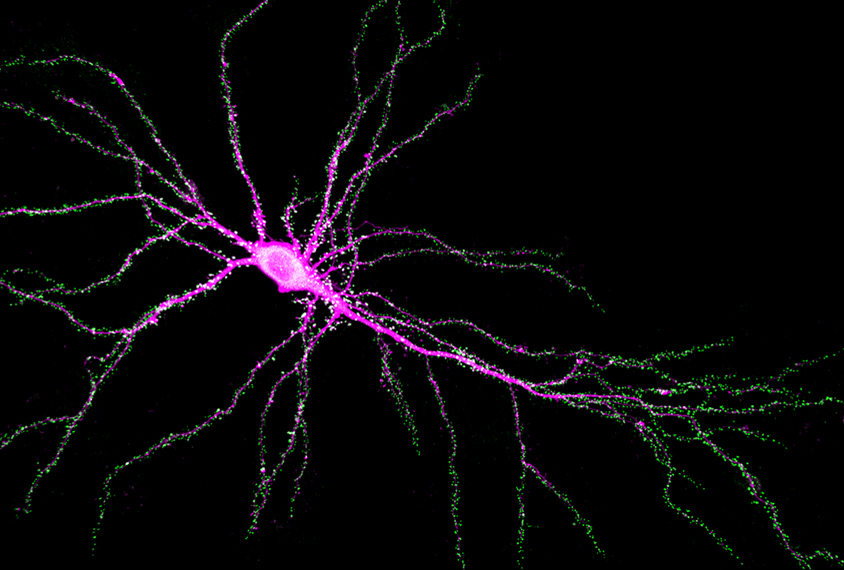
Reactions from the 2020 SYNGAP1 Scientific Conference
Spectrum is covering the 2020 International SYNGAP1 Scientific Conference, which took place virtually because of the coronavirus pandemic. Here we’re highlighting researchers’ reactions to noteworthy presentations.
Reactions from the 2020 SYNGAP1 Scientific Conference
Spectrum is covering the 2020 International SYNGAP1 Scientific Conference, which took place virtually because of the coronavirus pandemic. Here we’re highlighting researchers’ reactions to noteworthy presentations.
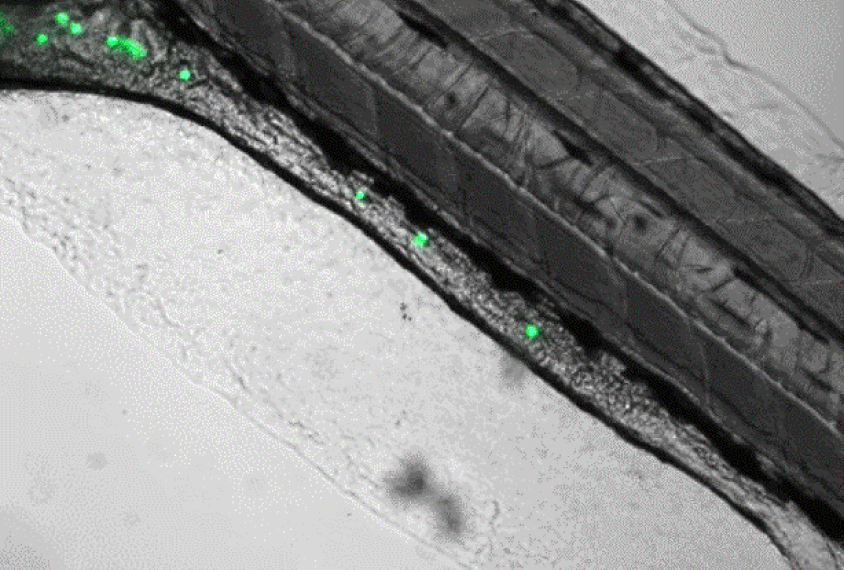
Zebrafish and ‘Smurf cakes’ link autism gene mutation to digestive woes
Mutations in a top autism gene called SYNGAP1 slow the rate at which zebrafish digest food and pass waste, and may also disrupt gut function in people.
Zebrafish and ‘Smurf cakes’ link autism gene mutation to digestive woes
Mutations in a top autism gene called SYNGAP1 slow the rate at which zebrafish digest food and pass waste, and may also disrupt gut function in people.
Mice reveal roots of sensory issues tied to top autism gene
Mice with mutations in the autism-linked gene SYNGAP1 have trouble sensing touch, which may stem in part from brain-circuit alterations and dulled alertness.
Mice reveal roots of sensory issues tied to top autism gene
Mice with mutations in the autism-linked gene SYNGAP1 have trouble sensing touch, which may stem in part from brain-circuit alterations and dulled alertness.
Explore more from The Transmitter
Are Brains and AI Converging?—an excerpt from ‘ChatGPT and the Future of AI: The Deep Language Revolution’
In his new book, to be published next week, computational neuroscience pioneer Sejnowski tackles debates about AI’s capacity to mirror cognitive processes.
Are Brains and AI Converging?—an excerpt from ‘ChatGPT and the Future of AI: The Deep Language Revolution’
In his new book, to be published next week, computational neuroscience pioneer Sejnowski tackles debates about AI’s capacity to mirror cognitive processes.
New tissue-clearing techniques let microscopes peer deeper into living brains
Washing mouse brain tissue with a blood protein or complex sugar can illuminate cells 550 micrometers into the cortex without compromising its normal physiology.
New tissue-clearing techniques let microscopes peer deeper into living brains
Washing mouse brain tissue with a blood protein or complex sugar can illuminate cells 550 micrometers into the cortex without compromising its normal physiology.

New catalog charts familial ties from autism to 90 other conditions
The research tool reveals associations stretching across three generations.
New catalog charts familial ties from autism to 90 other conditions
The research tool reveals associations stretching across three generations.