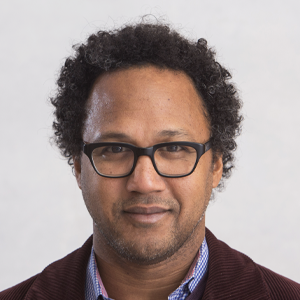
André Fenton is professor of neural science and director of the Center for Neural Science at New York University. He investigates the molecular, neural, behavioral and computational aspects of memory. He studies how brains store experiences as memories, how they learn to learn, and how knowing activates relevant information without activating what is irrelevant. These investigations are founded in how the brain computes knowledge of space, particularly the locations and directions that are the framework for experience. His investigations integrate across levels of biological organization; his research uses genetic, molecular, electrophysiological, imaging, behavioral, engineering and theoretical methods. This computational psychiatry research is helping to elucidate mental dysfunction in diverse conditions, including schizophrenia, autism, and depression.
Fenton founded BioSignal Group, Corp., which commercialized an FDA-approved portable, wireless and easy-to-use platform for recording EEGs in novel medical applications. He implemented a CPAP-oxygen-helmet treatment for COVID-19 in Nigeria and other low- and middle-income countries, and he develops information technology for the patient-centric coordination of behavioral health services that is desperately needed to equitably deliver care for mental health. Fenton hosted PBS’ “NOVA Wonders,” and he chairs the National Institute of Mental Health’s Board of Scientific Counselors.