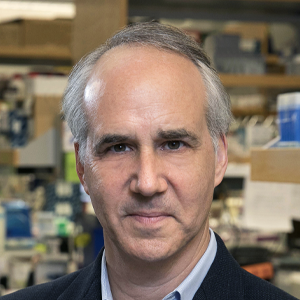
Daniel Geschwind is Gordon and Virginia MacDonald Distinguished Professor of Neurology, Psychiatry and Human Genetics at the University of California, Los Angeles. As senior associate dean and associate vice chancellor of precision health, he leads the university’s Institute for Precision Health.
His lab has pioneered the application of systems biology methods in neurologic and psychiatric disease, with a focus on autism and neurodegenerative conditions. His lab has made major contributions to identifying genetic causes of autism, defining the molecular pathology of autism and allied psychiatric disorders, and has worked to increase diversity in autism research. His work in dementia focuses on the mechanisms of tauopathies, where his lab is developing novel therapeutic approaches.
Geschwind sits on the editorial boards of Cell, Science and Neuron, and he is among the highest cited neurologists in the world. He has received several awards for his lab’s work, including the American Neurological Association’s Derek Denny-Brown Neurological Scholar Award, and most recently the Society of Biological Psychiatry Gold Medal Award and the American Academy of Neurology’s 2022 Cotzias Lecture and Award. He is the 2022 National Academy of Medicine recipient of the Rhoda and Bernard Sarnat International Prize in Mental Health. He is an elected member of the American Association of Physicians and the National Academy of Medicine.