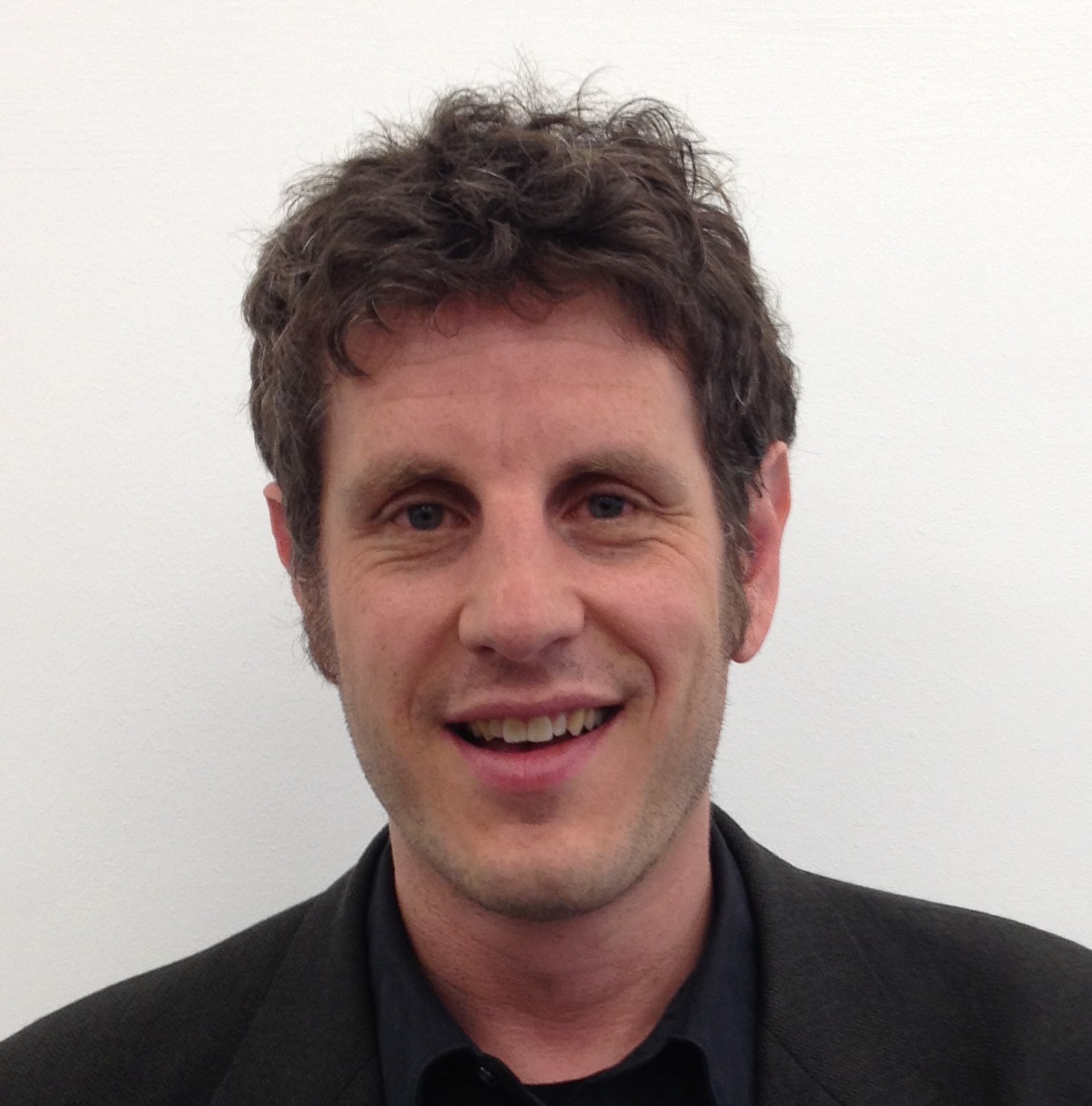
Kenneth Harris is professor of quantitative neuroscience at University College London. Together with Matteo Carandini, he co-directs the Cortical Processing Laboratory. The aim of the laboratory is to understand the computations performed by neuronal populations in the visual system, the underlying neural circuits and the way these computations lead to perceptual decisions. Current research efforts focus on how cortical populations integrate sensory information with information from within the brain.
Harris received a B.A. and Part III in mathematics from the University of Cambridge in 1993 and a Ph.D. in neural computation from University College London in 1998. He then moved to Rutgers University for postdoctoral work, where he eventually opened a laboratory studying neuronal population activity in the neocortex. He next moved to Imperial College London before joining the faculty at University College London.
Harris received the Alfred P. Sloan Fellowship in 2005 and the Royal Society Wolfson Research Merit Award and an EPSRC Leadership Fellowship in 2010. He was named a Burroughs Wellcome Trust Investigator and a Simons Investigator in 2014.