Julien Posture
Illustrator
From this contributor

This paper changed my life: ‘Spontaneous cortical activity reveals hallmarks of an optimal internal model of the environment,’ from the Fiser Lab
Fiser’s work taught me how to think about grounding computational models in biologically plausible implementations.
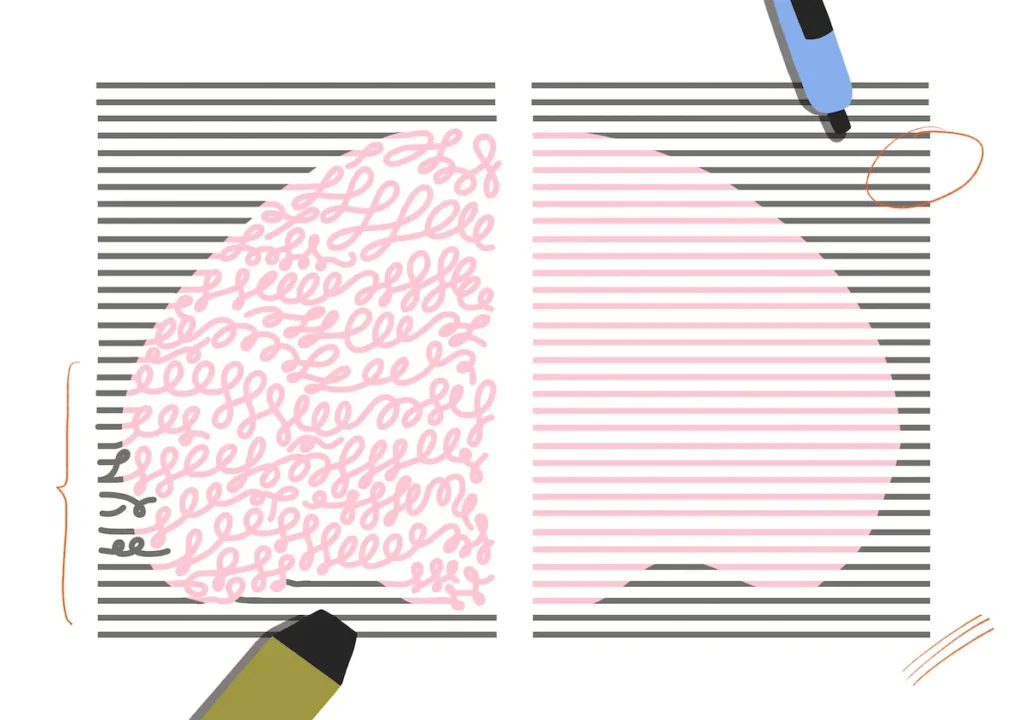
This paper changed my life: ‘Response of hippocampal synapses to natural stimulation patterns,’ by Dobrunz and Stevens
The work demonstrated how to effectively combine controlled in-vitro experiments and the messiness of natural brain patterns.
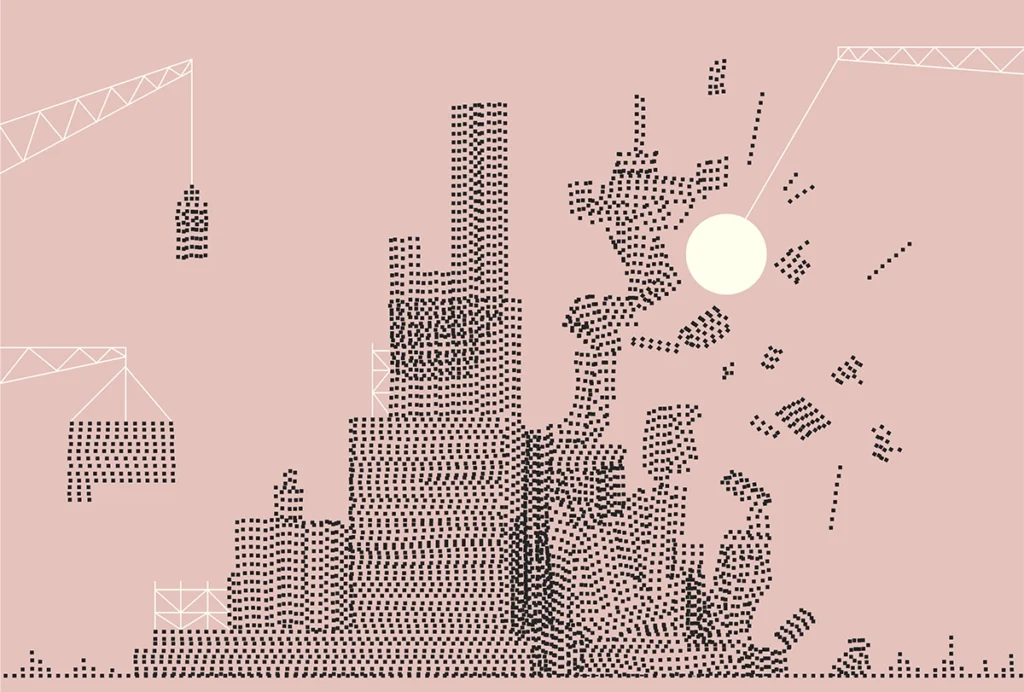
Reconstructing dopamine’s link to reward
The field is grappling with whether to modify the long-standing theory of reward prediction error—or abandon it entirely.
Reconstructing dopamine’s link to reward
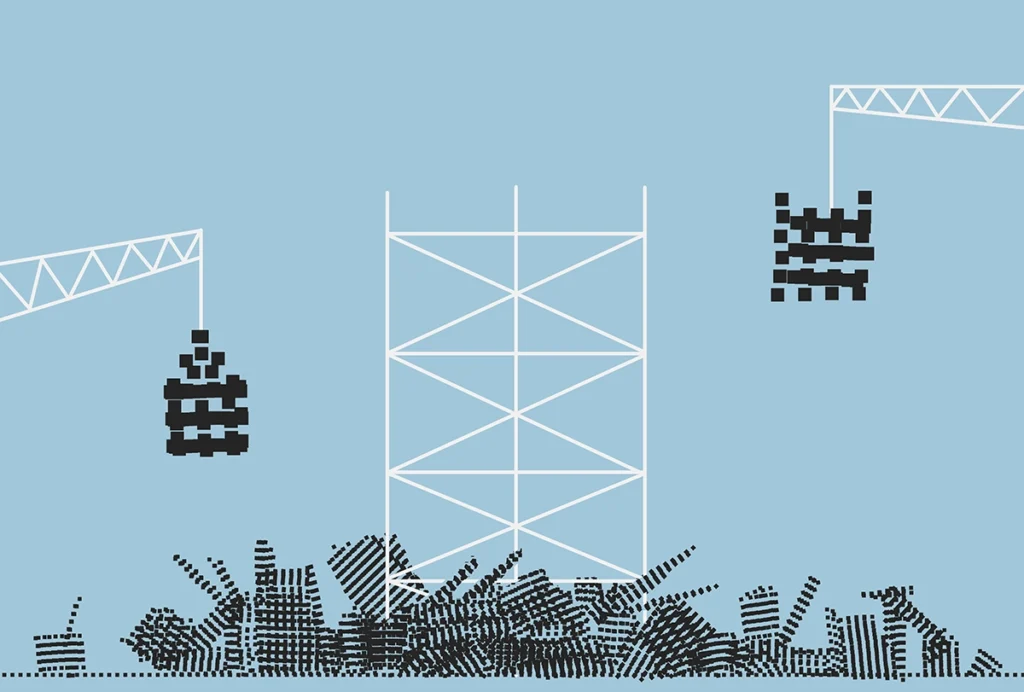
Dopamine and the need for alternative theories
Some experimental findings are inconsistent with the dominant model of reward prediction error, highlighting the need for alternative testable and falsifiable models for dopamine function.
Dopamine and the need for alternative theories
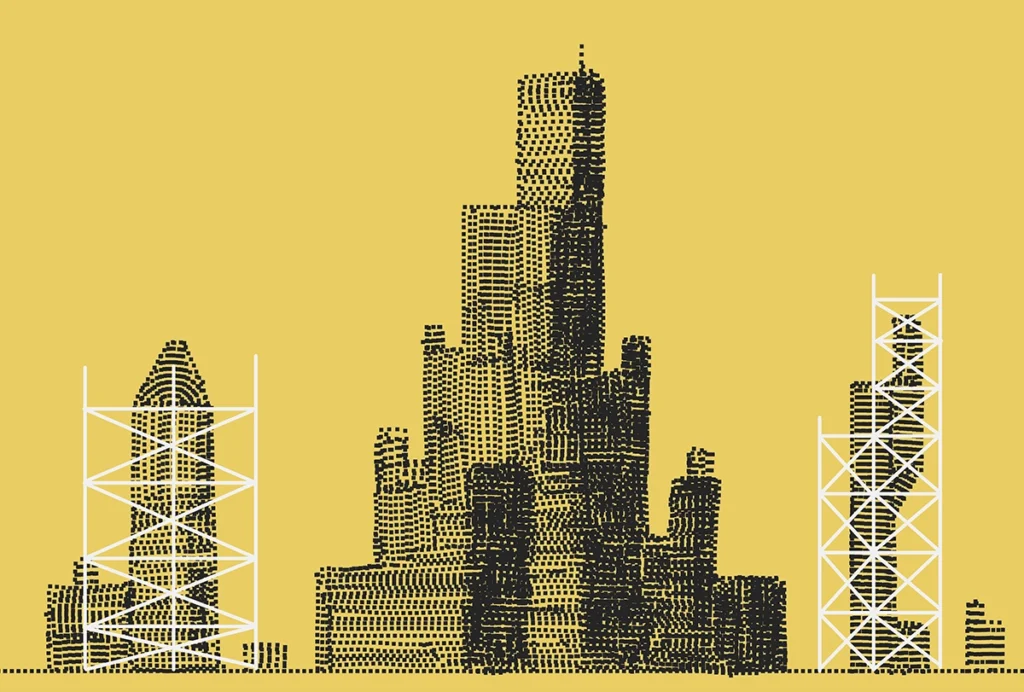
Does a new theory of dopamine replace the classic model?
My answer would be no, but the model poses challenges that will sharpen our understanding of dopamine and learning.
Does a new theory of dopamine replace the classic model?
Explore more from The Transmitter
Are Brains and AI Converging?—an excerpt from ‘ChatGPT and the Future of AI: The Deep Language Revolution’
In his new book, to be published next week, computational neuroscience pioneer Sejnowski tackles debates about AI’s capacity to mirror cognitive processes.
Are Brains and AI Converging?—an excerpt from ‘ChatGPT and the Future of AI: The Deep Language Revolution’
In his new book, to be published next week, computational neuroscience pioneer Sejnowski tackles debates about AI’s capacity to mirror cognitive processes.
New tissue-clearing techniques let microscopes peer deeper into living brains
Washing mouse brain tissue with a blood protein or complex sugar can illuminate cells 550 micrometers into the cortex without compromising its normal physiology.
New tissue-clearing techniques let microscopes peer deeper into living brains
Washing mouse brain tissue with a blood protein or complex sugar can illuminate cells 550 micrometers into the cortex without compromising its normal physiology.
New catalog charts familial ties from autism to 90 other conditions
The research tool reveals associations stretching across three generations.
New catalog charts familial ties from autism to 90 other conditions
The research tool reveals associations stretching across three generations.