Mari Fouz
Illustrator
From this contributor
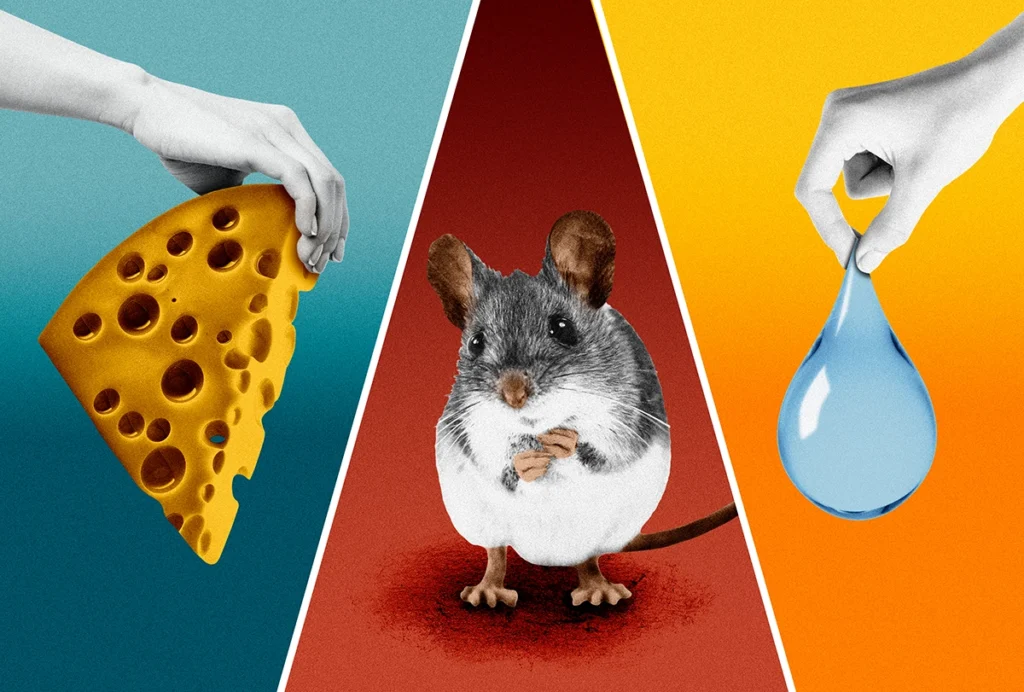
Should I stay (and eat) or should I go? How the brain balances hunger with competing drives
Understanding the interplay among rival signals, such as pain, thirst and fear, could provide insights into anxiety and other neuropsychiatric conditions.
Should I stay (and eat) or should I go? How the brain balances hunger with competing drives
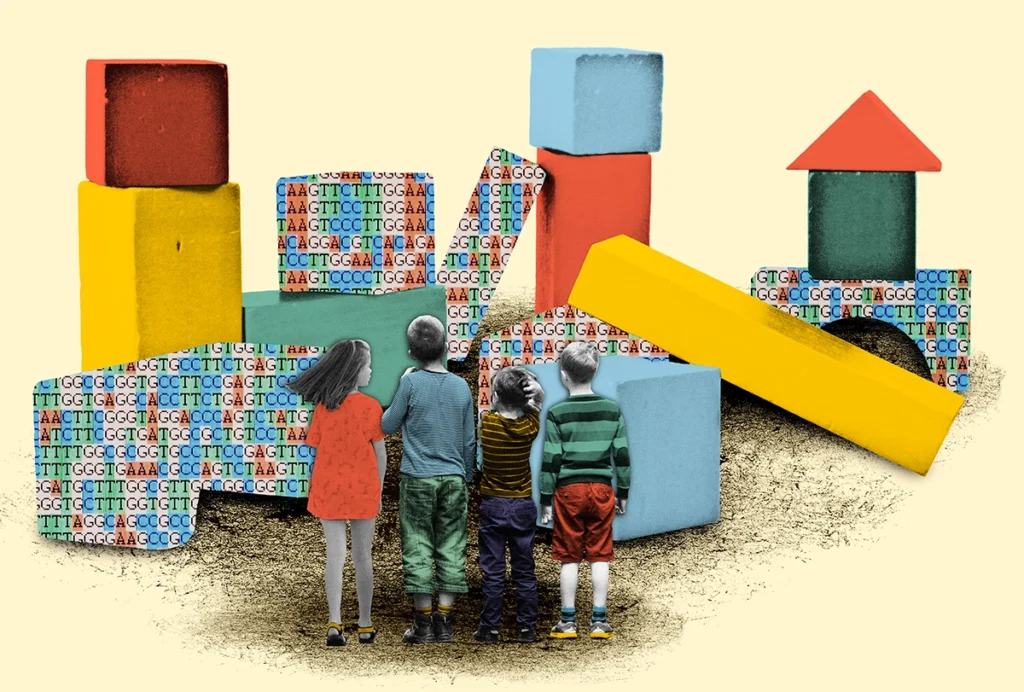
Autism is more heritable in boys than in girls
If boys have greater inherited liability for autism, the female protective effect may not fully explain the sex difference in prevalence.
Autism is more heritable in boys than in girls
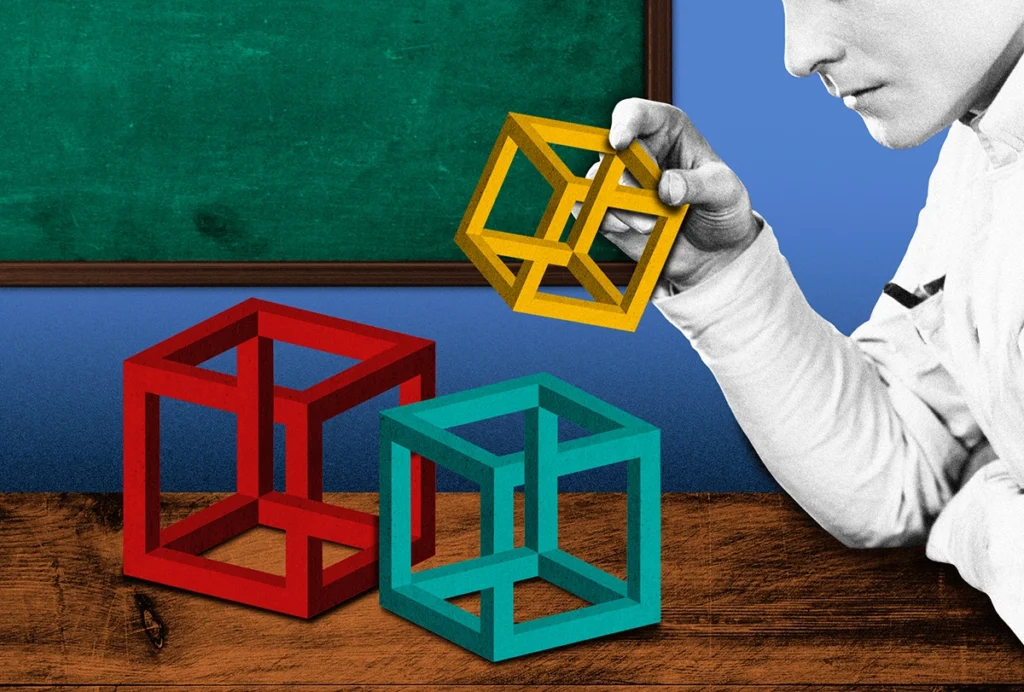
Should we use the computational or the network approach to analyze functional brain-imaging data—why not both?
Emerging methods make it possible to combine the two tactics from opposite ends of the analytic spectrum, enabling scientists to have their cake and eat it too.
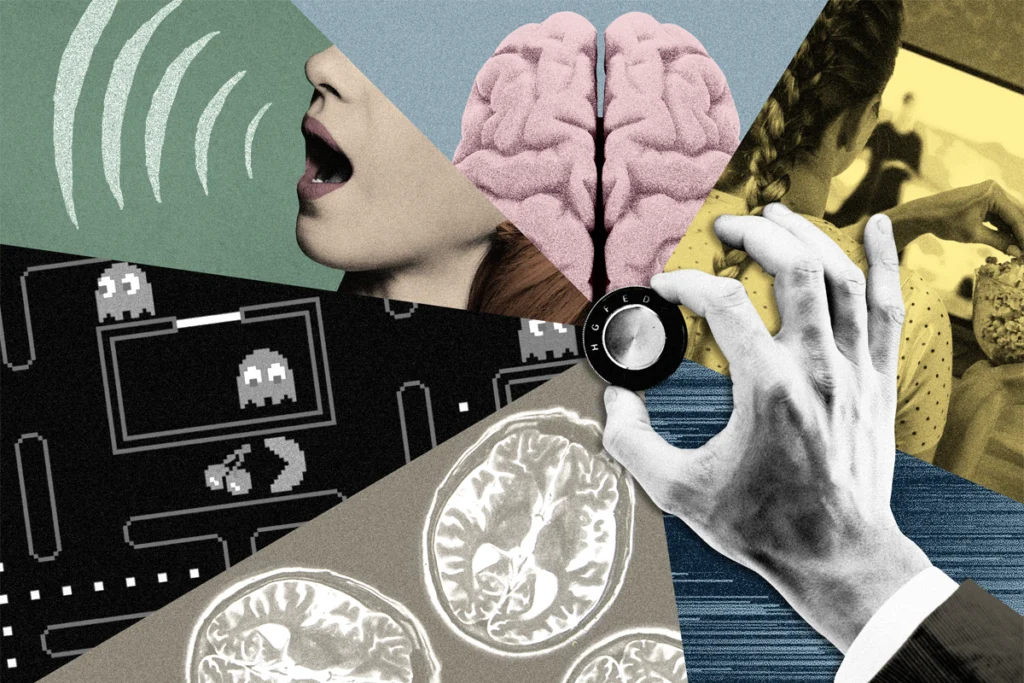
To improve big data, we need small-scale human imaging studies
By insisting that every brain-behavior association study include hundreds or even thousands of participants, we risk stifling innovation. Smaller studies are essential to test new scanning paradigms.
To improve big data, we need small-scale human imaging studies
Breaking down the winner’s curse: Lessons from brain-wide association studies
We found an issue with a specific type of brain imaging study and tried to share it with the field. Then the backlash began.
Breaking down the winner’s curse: Lessons from brain-wide association studies
Explore more from The Transmitter
Are Brains and AI Converging?—an excerpt from ‘ChatGPT and the Future of AI: The Deep Language Revolution’
In his new book, to be published next week, computational neuroscience pioneer Sejnowski tackles debates about AI’s capacity to mirror cognitive processes.
Are Brains and AI Converging?—an excerpt from ‘ChatGPT and the Future of AI: The Deep Language Revolution’
In his new book, to be published next week, computational neuroscience pioneer Sejnowski tackles debates about AI’s capacity to mirror cognitive processes.
New tissue-clearing techniques let microscopes peer deeper into living brains
Washing mouse brain tissue with a blood protein or complex sugar can illuminate cells 550 micrometers into the cortex without compromising its normal physiology.
New tissue-clearing techniques let microscopes peer deeper into living brains
Washing mouse brain tissue with a blood protein or complex sugar can illuminate cells 550 micrometers into the cortex without compromising its normal physiology.
New catalog charts familial ties from autism to 90 other conditions
The research tool reveals associations stretching across three generations.
New catalog charts familial ties from autism to 90 other conditions
The research tool reveals associations stretching across three generations.