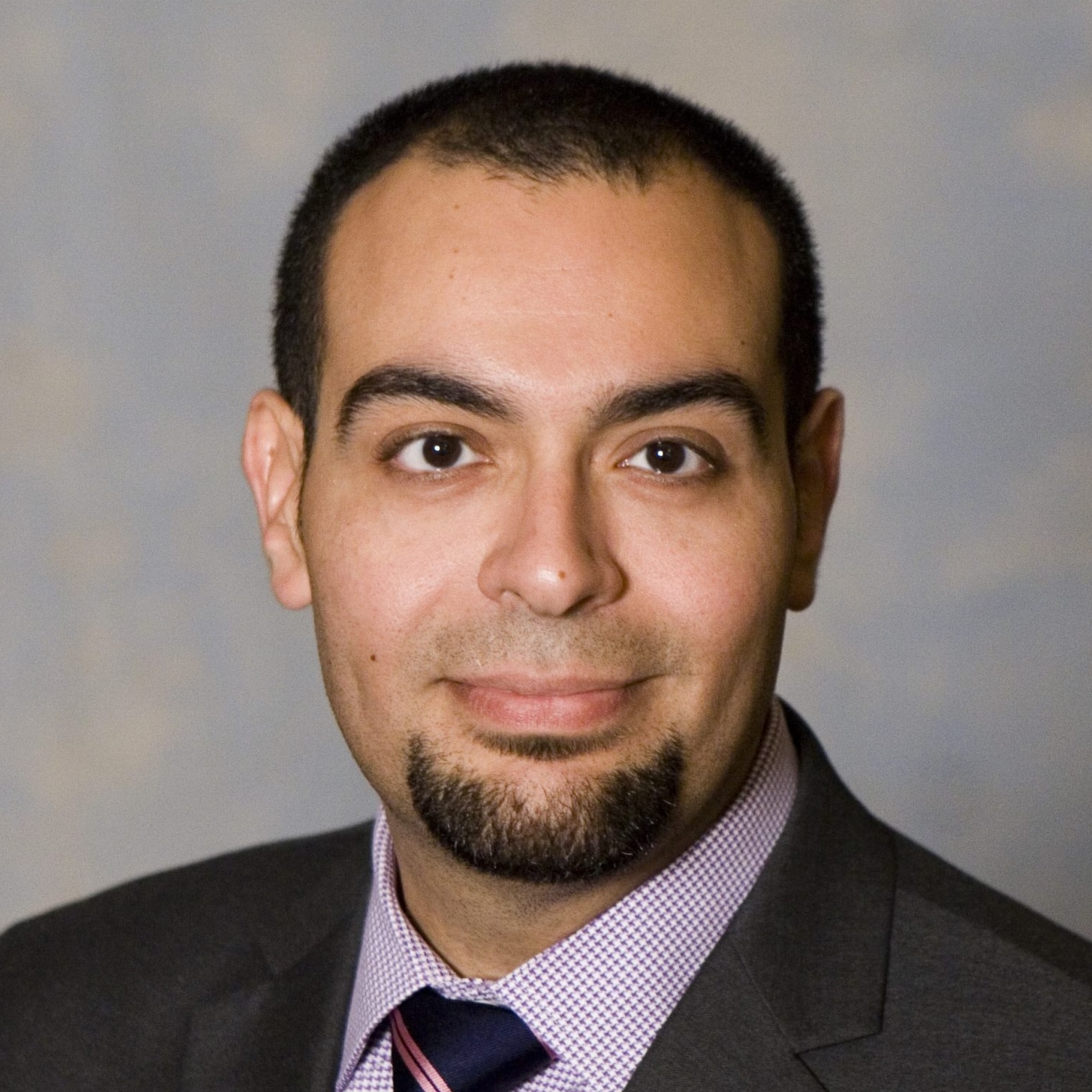
Michael Yassa.

Michael Yassa

Professor of neurobiology and behavior
University of California, Irvine

Michael Yassa is professor of neurobiology and behavior and James L. McGaugh Endowed Chair at the University of California, Irvine. His lab has been developing theoretical frameworks and noninvasive brain-imaging tools for understanding memory mechanisms in the human brain and applying this knowledge to human neurological and neuropsychiatric disease.

Yassa earned his B.A. in neuroscience and M.A. in psychological and brain sciences from Johns Hopkins University. He received his Ph.D. from the University of California, Irvine and began his career as assistant professor in the Department of Psychological and Brain Sciences at Johns Hopkins. He moved back to the University of California, Irvine in 2014 and has been director of the Center for the Neurobiology of Learning and Memory since 2016. Yassa also has served as associate dean of diversity, equity and inclusion in the Charlie Dunlop School of Biological Sciences since 2020, and he is currently chair of the Learning, Memory and Decision Neuroscience (LMDN) Study Section at the National Institutes of Health’s Center for Scientific Review.
Explore more from The Transmitter

Illustration of two neon-toned sets of concentric circles overlapping, with bright spots where they intersect.

Are Brains and AI Converging?—an excerpt from ‘ChatGPT and the Future of AI: The Deep Language Revolution’

In his new book, to be published next week, computational neuroscience pioneer Sejnowski tackles debates about AI’s capacity to mirror cognitive processes.

By Terrence Sejnowski
21 October 2024 | 12 min read

New tissue-clearing techniques let microscopes peer deeper into living brains

Washing mouse brain tissue with a blood protein or complex sugar can illuminate cells 550 micrometers into the cortex without compromising its normal physiology.

By Calli McMurray
18 October 2024 | 0 min watch
A younger looking set of hands holds an older looking set of hands.

New catalog charts familial ties from autism to 90 other conditions

The research tool reveals associations stretching across three generations.

By Charles Q. Choi
17 October 2024 | 4 min read