Megan Peters is associate professor of cognitive sciences at the University of California, Irvine, a fellow in the Brain, Mind and Consciousness program at the Canadian Institute for Advanced Research. Her work uses behavior, advanced neuroimaging techniques and computational modeling to investigate the relationships among perception, metacognition and conscious awareness, with a focus on understanding how our brains build, evaluate and use representations of the world and of ourselves. Prior to joining the University of California, Irvine’s faculty, she was assistant professor of bioengineering at the University of California, Riverside. She received a B.A. in cognitive science from Brown University and previously taught English in Japan before completing her Ph.D. and postdoctoral research at the University of California, Los Angeles. Her science has been continuously funded by the Air Force Office of Scientific Research (Young Investigator Award), the National Institutes of Health and private foundations, including the Templeton World Charity Foundation, the Canadian Institute for Advanced Research and the Research Corporation for Science Advancement. She is also known for her role as co-founder and President of Neuromatch, an international nonprofit organization delivering democratized and accessible education in computational neuroscience and related disciplines to about 20,000 students worldwide.
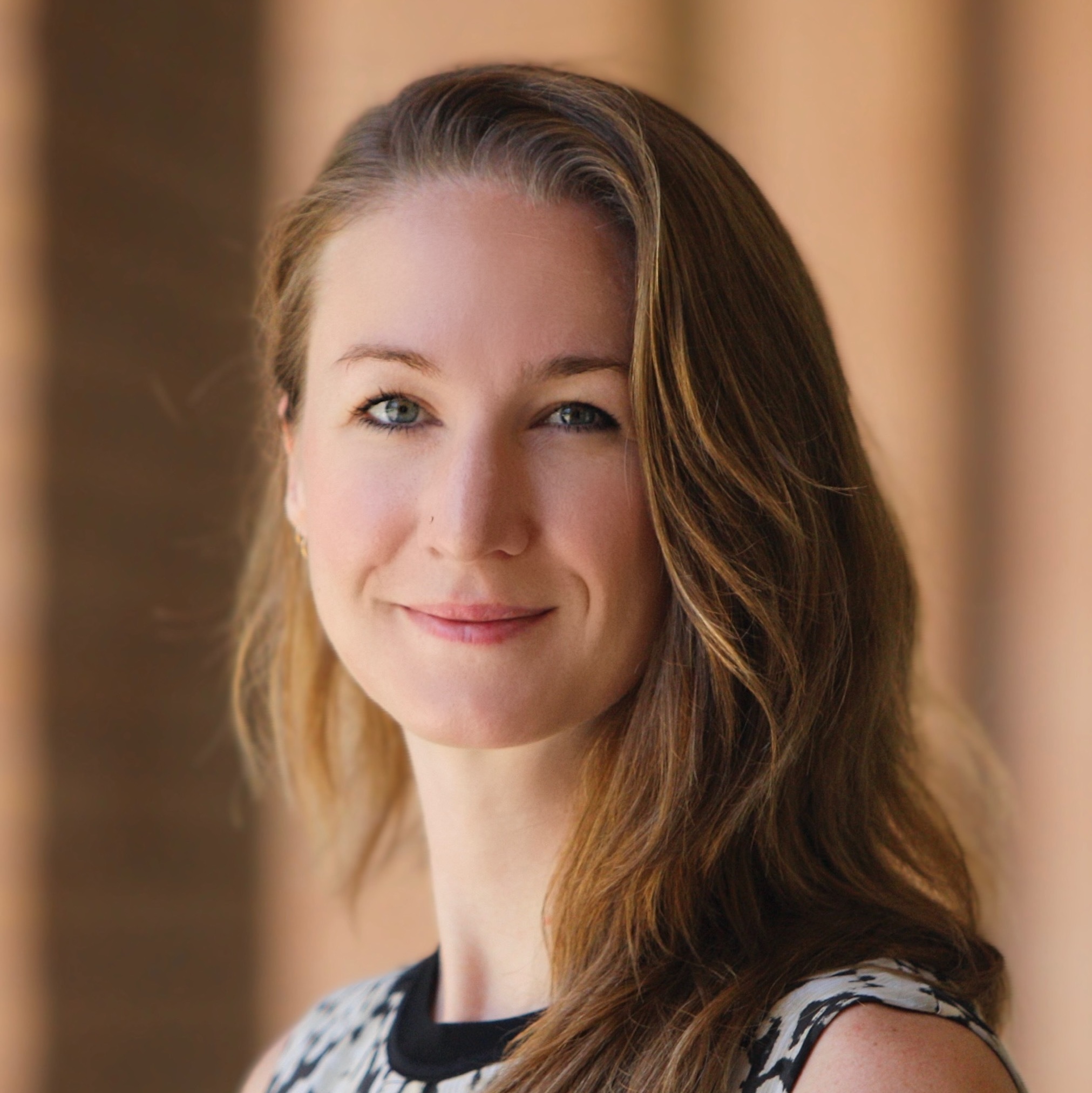
Megan Peters
Associate professor of cognitive sciences
University of California, Irvine
From this contributor

This paper changed my life: ‘Spontaneous cortical activity reveals hallmarks of an optimal internal model of the environment,’ from the Fiser Lab
Fiser’s work taught me how to think about grounding computational models in biologically plausible implementations.
At the credit crossroads: Modern neuroscience needs a cultural shift to adopt new authorship practices
Old heuristics to acknowledge contributors—calling out first and last authors, with everyone else in between—don’t work well for large collaborative and interdisciplinary projects, yet they remain the default.
At the credit crossroads: Modern neuroscience needs a cultural shift to adopt new authorship practices
Explore more from The Transmitter
Are Brains and AI Converging?—an excerpt from ‘ChatGPT and the Future of AI: The Deep Language Revolution’
In his new book, to be published next week, computational neuroscience pioneer Sejnowski tackles debates about AI’s capacity to mirror cognitive processes.
Are Brains and AI Converging?—an excerpt from ‘ChatGPT and the Future of AI: The Deep Language Revolution’
In his new book, to be published next week, computational neuroscience pioneer Sejnowski tackles debates about AI’s capacity to mirror cognitive processes.
New tissue-clearing techniques let microscopes peer deeper into living brains
Washing mouse brain tissue with a blood protein or complex sugar can illuminate cells 550 micrometers into the cortex without compromising its normal physiology.
New tissue-clearing techniques let microscopes peer deeper into living brains
Washing mouse brain tissue with a blood protein or complex sugar can illuminate cells 550 micrometers into the cortex without compromising its normal physiology.
New catalog charts familial ties from autism to 90 other conditions
The research tool reveals associations stretching across three generations.
New catalog charts familial ties from autism to 90 other conditions
The research tool reveals associations stretching across three generations.