Shaena Montanari joined The Transmitter as an enterprise reporter in January 2023. She was previously an investigative health reporter at the Arizona Center for Investigative Reporting in Phoenix. Prior to becoming a journalist, Shaena worked as a paleontologist.
Shaena Montanari
Reporter
The Transmitter
From this contributor
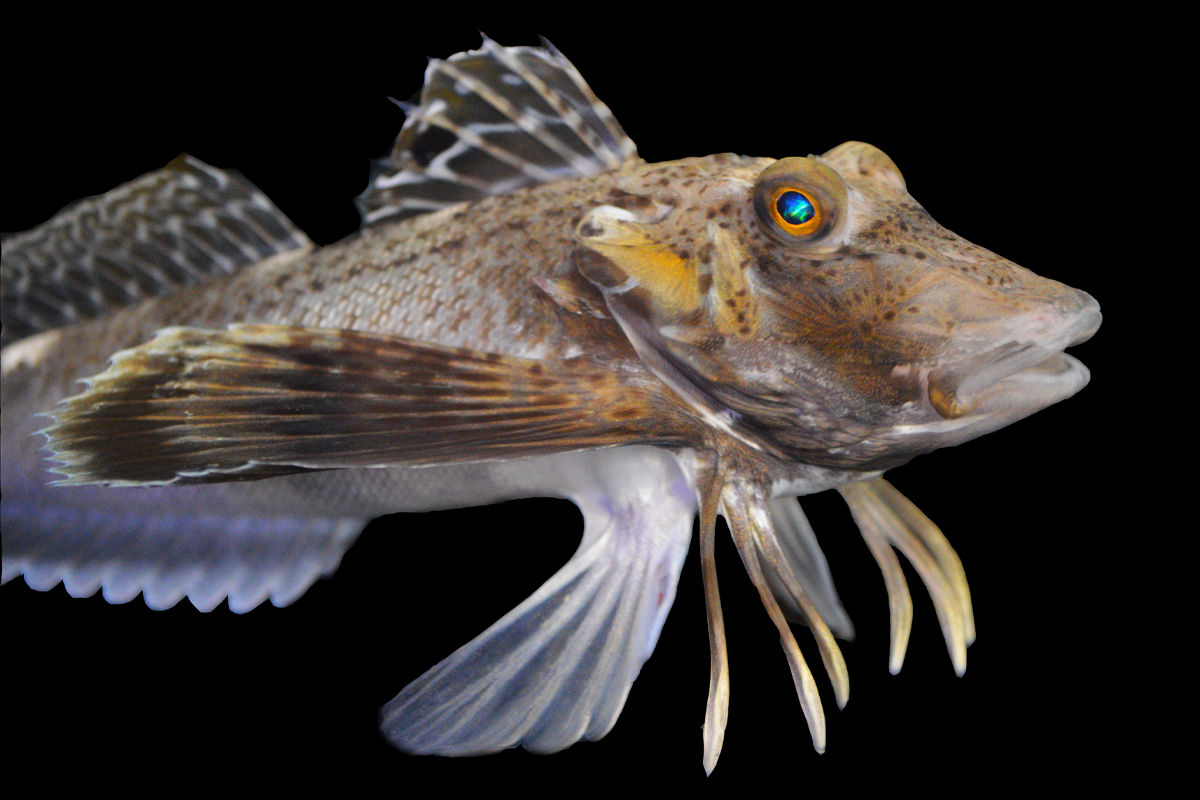
How ‘walking fish’ feel, taste hidden food with their legs
By
Shaena Montanari
26 September 2024 | 5 min read
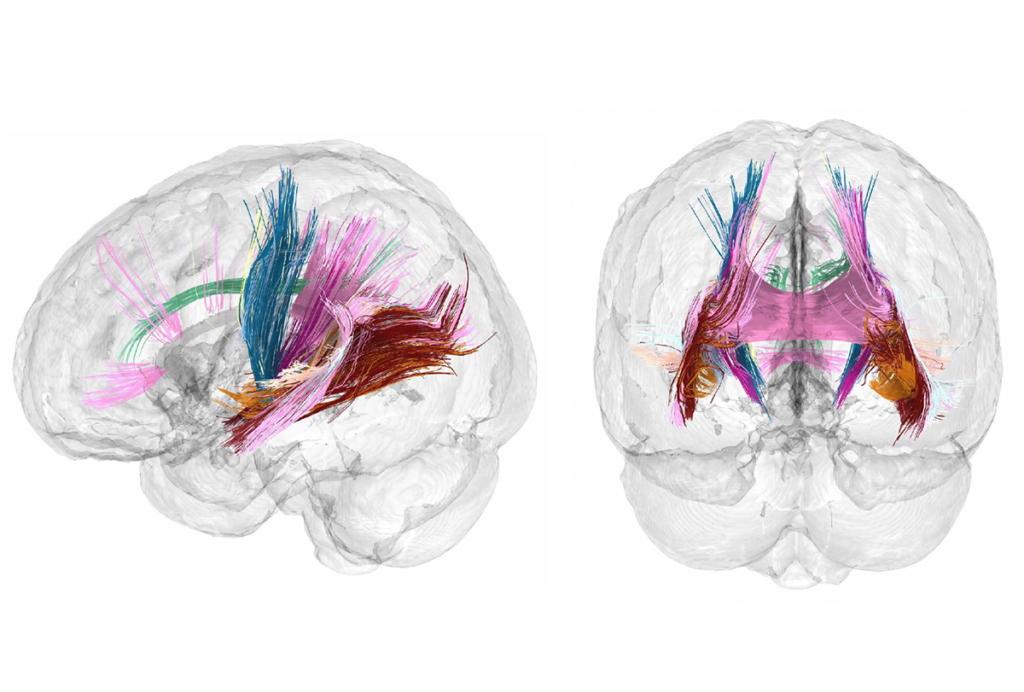
Repeat scans reveal brain changes that precede childbirth
By
Shaena Montanari
16 September 2024 | 9 min listen
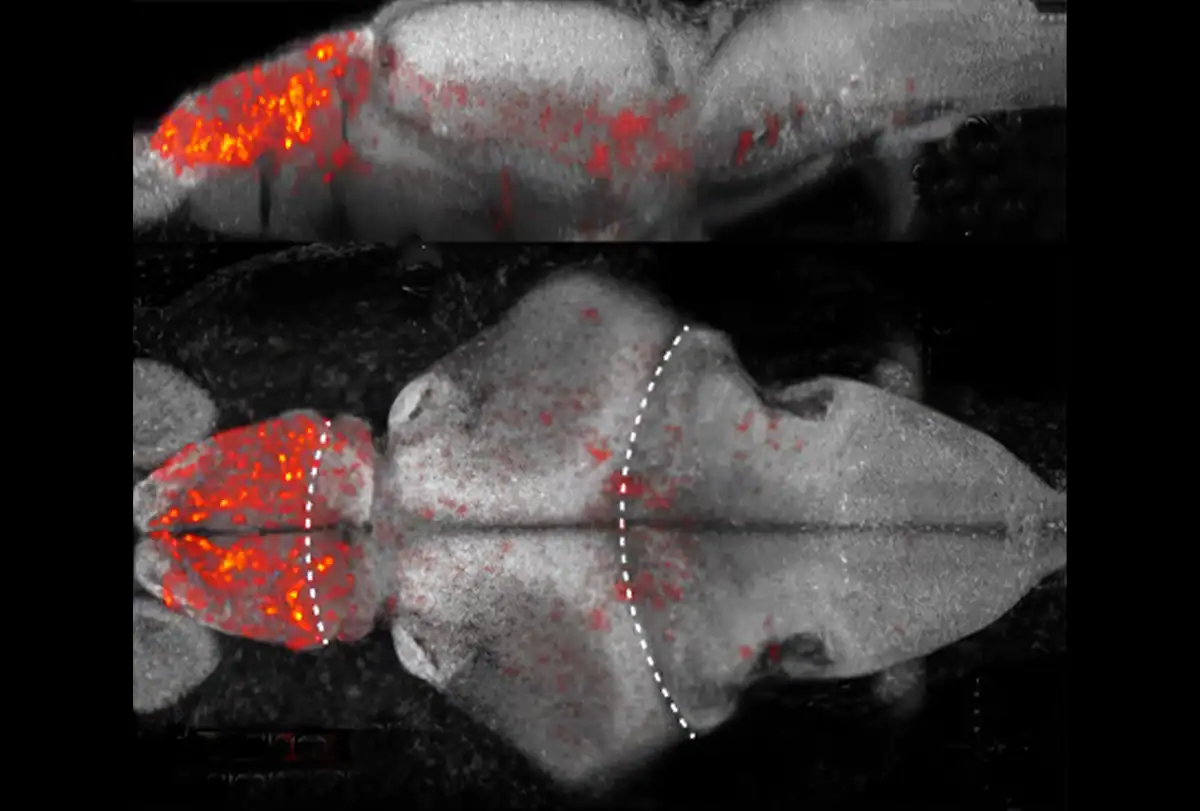
‘Place cells’ help guide freely swimming zebrafish larvae
By
Shaena Montanari
28 August 2024 | 5 min read

Second paper from lab of Nobel Prize winner to be retracted
By
Shaena Montanari
26 August 2024 | 4 min read
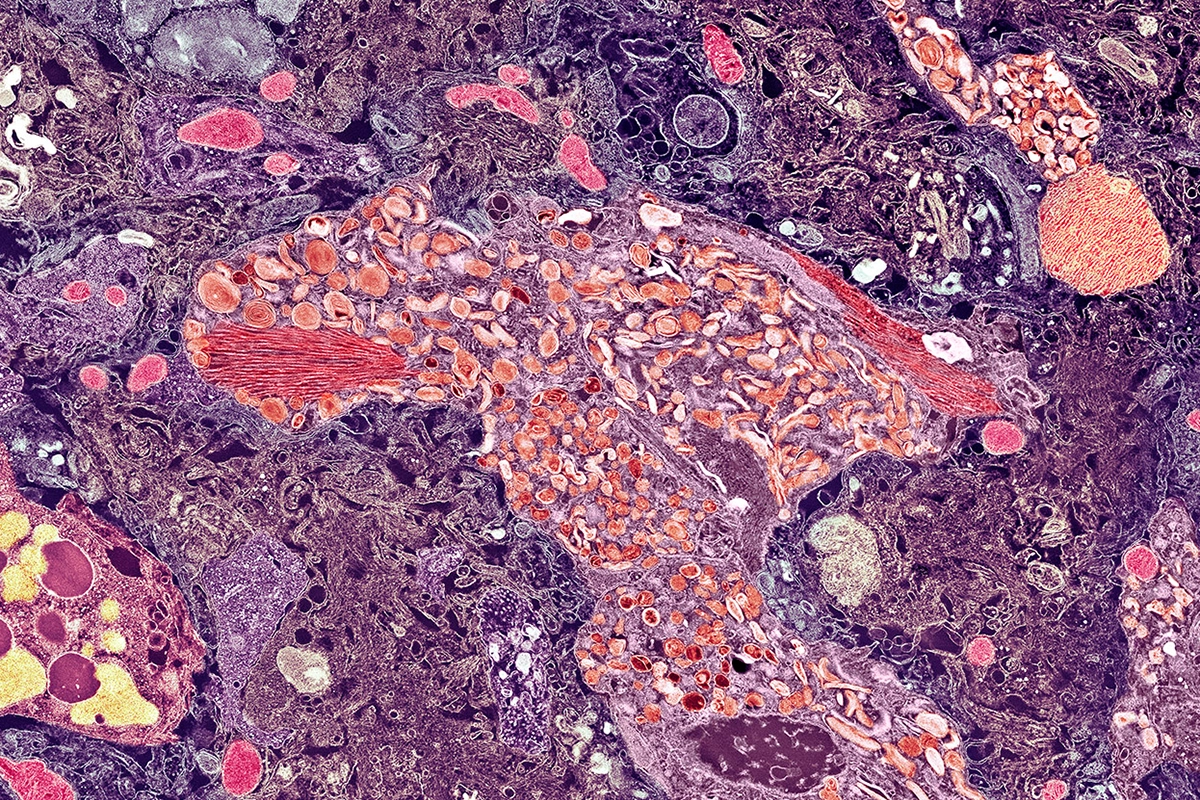
Skeptics challenge claims of Alzheimer’s disease transmission via growth hormone
By
Shaena Montanari
23 August 2024 | 6 min read
Education
- M.A. in investigative journalism, Arizona State University
- Ph.D. in comparative biology, Richard Gilder Graduate School at the American Museum of Natural History
- B.S. in geological sciences, University of North Carolina at Chapel Hill
Fellowships
- AAAS Science and Technology Policy Fellowship
- AAAS Mass Media Fellowship
- Royal Society Newton International Fellowship
Articles
- “Cracking the egg: the use of modern and fossil eggs for ecological, environmental and biological interpretation” | Royal Society Open Science
- “Pliocene paleoenvironments of southeastern Queensland, Australia inferred from stable isotopes of marsupial tooth enamel” | PLOS ONE
- “Dinosaur eggshell and tooth enamel geochemistry as an indicator of Mongolian Late Cretaceous paleoenvironments” | Palaeogeography, Palaeoclimatology, Palaeoecology
Explore more from The Transmitter
Are Brains and AI Converging?—an excerpt from ‘ChatGPT and the Future of AI: The Deep Language Revolution’
In his new book, to be published next week, computational neuroscience pioneer Sejnowski tackles debates about AI’s capacity to mirror cognitive processes.
Are Brains and AI Converging?—an excerpt from ‘ChatGPT and the Future of AI: The Deep Language Revolution’
In his new book, to be published next week, computational neuroscience pioneer Sejnowski tackles debates about AI’s capacity to mirror cognitive processes.
By
Terrence Sejnowski
21 October 2024 | 12 min read
New tissue-clearing techniques let microscopes peer deeper into living brains
Washing mouse brain tissue with a blood protein or complex sugar can illuminate cells 550 micrometers into the cortex without compromising its normal physiology.
New tissue-clearing techniques let microscopes peer deeper into living brains
Washing mouse brain tissue with a blood protein or complex sugar can illuminate cells 550 micrometers into the cortex without compromising its normal physiology.
By
Calli McMurray
18 October 2024 | 0 min watch
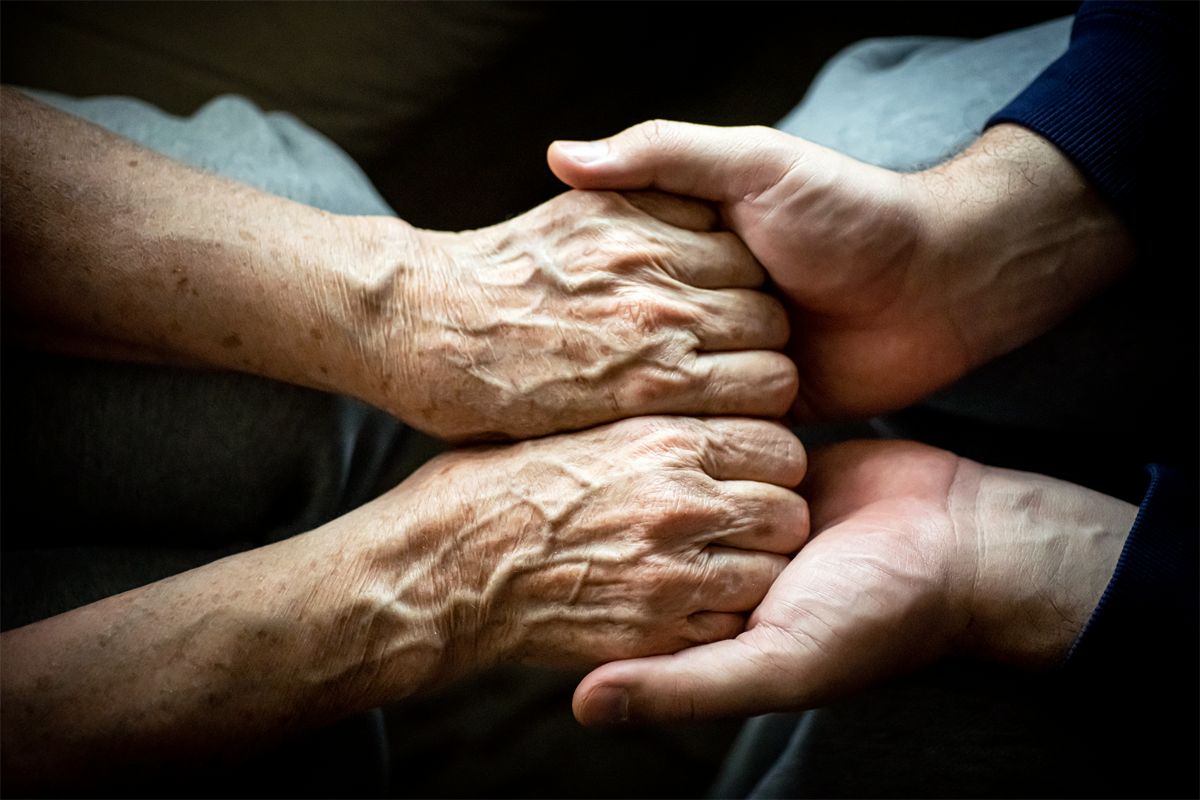
New catalog charts familial ties from autism to 90 other conditions
The research tool reveals associations stretching across three generations.
New catalog charts familial ties from autism to 90 other conditions
The research tool reveals associations stretching across three generations.
By
Charles Q. Choi
17 October 2024 | 4 min read